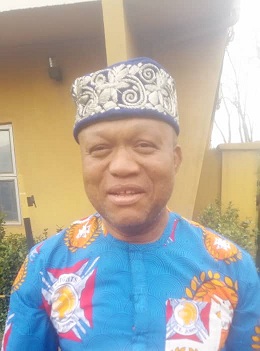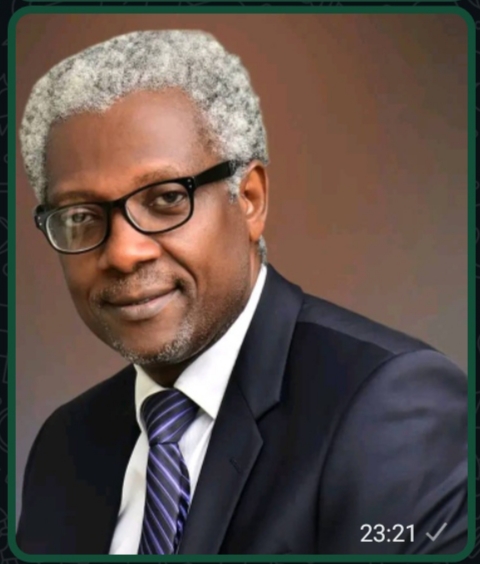
Prince Samben Nwosu
By David Onwuchekwa
A frontline contender for the 2027 Anambra South Senatorial election under the People’s Democratic Party (PDP) platform, Prince Samben Nwosu, has faulted portions of former Head of State, General Yakubu Gowon’s newly launched autobiography, My Life of Duty and Allegiance, describing some of the claims in the memoir as historically inaccurate and unfair to the Igbo people.
Reacting to statements credited to Gowon during the launch of the book on Tuesday, May 19, 2026, Prince Nwosu said he felt compelled to respond “as an Igbo man, a son of Nnewi, and a concerned Nigerian.”
Speaking on the Aburi Accord, Nwosu rejected Gowon’s allegation that the late Dim Chukwuemeka Odumegwu Ojukwu sabotaged the agreement reached in Ghana before the Nigerian Civil War.
According to him, history shows that the Federal Military Government failed to uphold the spirit of the accord through the promulgation of Decree No. 8 of 1967, which altered agreed revenue arrangements and weakened the understanding reached in Aburi.
“We the Igbos value contracts. We do not break agreements and then blame the other party for reacting,” he insisted.
On the events preceding the declaration of the Republic of Biafra, Nwosu argued that the killings of Igbos in Northern Nigeria could not be ignored in discussing the causes of the civil war.
“Before Ojukwu declared Biafra, over 30,000 Igbos were reportedly killed in Northern Nigeria without adequate protection from the Federal Government.
“When innocent Igbos were slaughtered and abandoned, was that rebellion, secession, or survival?” he queried.
He also defended Ojukwu’s preparations for war, insisting that the circumstances at the time forced the Eastern Region into self-preservation.
Reacting to Gowon’s remarks on alleged mineral deals with foreign powers during the war, Nwosu accused the Federal Government of taking over oil wells located in present-day Rivers and Bayelsa states after the war without compensation to the former Eastern Region.
He described the action as “the true mortgage of the people’s patrimony to federal might.”
Nwosu further maintained that although he agreed with Gowon’s position that Nigeria must remain united, genuine unity could not thrive on injustice and marginalization.
According to him, the South-East has continued to face neglect since the end of the civil war in 1970, citing issues such as abandoned property, poor federal infrastructure, and exclusion from key national leadership opportunities.
“The Igbo man does not seek governance to refight the war. The Igbos want to help fix Nigeria for the benefit of everyone,” he added.
He also noted that calls for restructuring, resource control, and equity should not be interpreted as acts of rebellion, but as legitimate demands aimed at building a fairer federation.
Nwosu said Gowon may have written the memoir to clarify his own perspective of history, but explained that alternative accounts and live experiences of the Igbo people must also be acknowledged.
“We cannot continue to blackmail the Igbos or suppress legitimate demands for justice and inclusion in Nigeria,” he concluded.