The Vatican City
Vatican City is the least populated country in the world, with a population of approximately 882 residents as of December 2024.
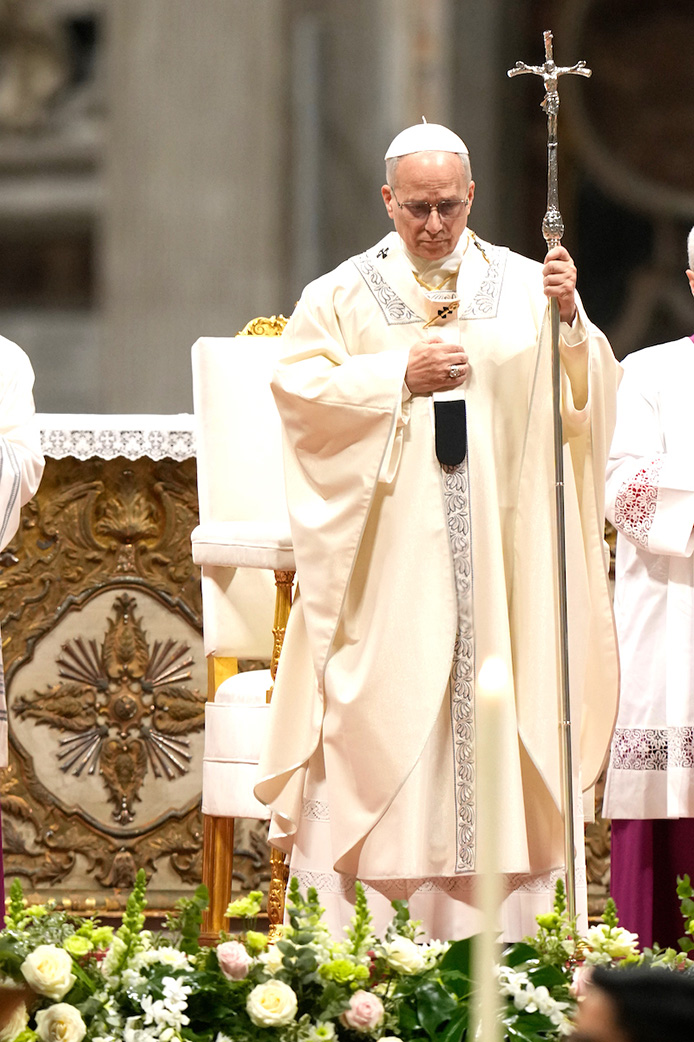
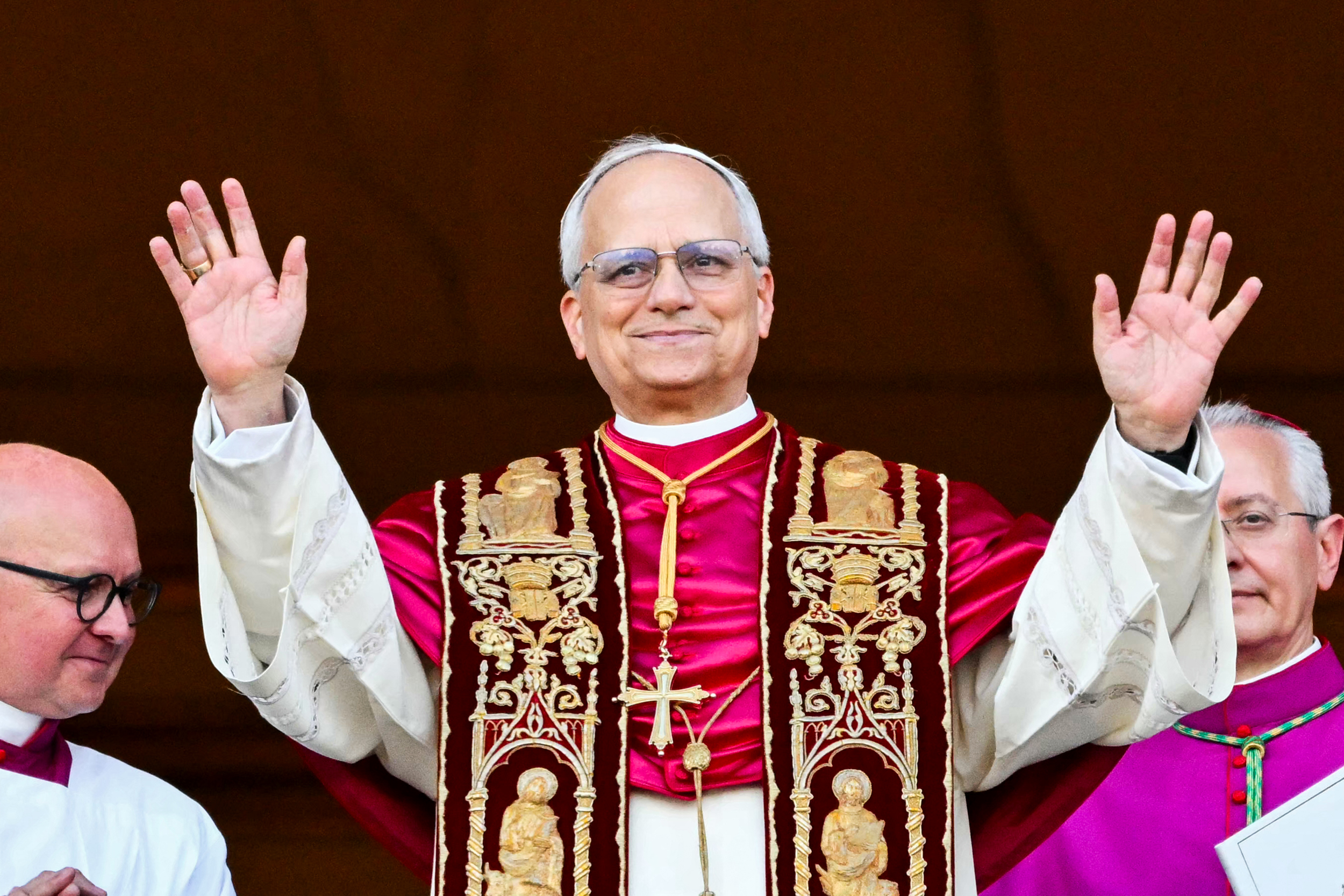
This tiny city-state, nestled within Rome, Italy, serves as the spiritual and administrative center of the Catholic Church. The population is predominantly made up of clergy, including cardinals, bishops, priests, and nuns, as well as members of the Swiss Guard responsible for the Pope’s safety.
The demographics of Vatican City are unique due to its specific population structure, with a high proportion of older clergy members and a smaller number of younger members of the Swiss Guard and other staff.
Women make up a small fraction of the population, mostly comprising wives of Swiss Guards and lay employees.
The city-state’s small size and unique status as the center of the Catholic Church contribute to its low population.
Strict residency laws and the lack of private housing also limit the population. Despite its tiny size, Vatican City has a significant global influence through its religious, cultural, and historical significance.
Some notable facts about Vatican City include:
Population Density: Approximately 4,650 people per square mile, making it one of the densest populations globally.
Citizenship: Granted primarily to those who work in the Vatican, including clergy, Swiss Guards, and some lay employees, with citizenship typically tied to one’s role and duties.
Language: Italian is the primary language used in official documents and daily operations, but many other languages are also spoken due to the diverse origins of residents.
Economy: Supported mainly by the sale of stamps, coins, medals, and tourist souvenirs, as well as museum admission fees and publication sales.
Tourism: Attracts millions of visitors annually, with over 5 million tourists and 32 million pilgrims expected in 2025.