By Chinedum Treasure
Civil society organisations working on HIV, Tuberculosis (TB) and Malaria have urged governments at all levels to adopt Community-Led Monitoring (CLM) as a grassroots model for improving healthcare delivery in Nigeria.
The organisations also called for increased health education, community participation and funding to address barriers to disease prevention and treatment, as well as gender-based violence (GBV).
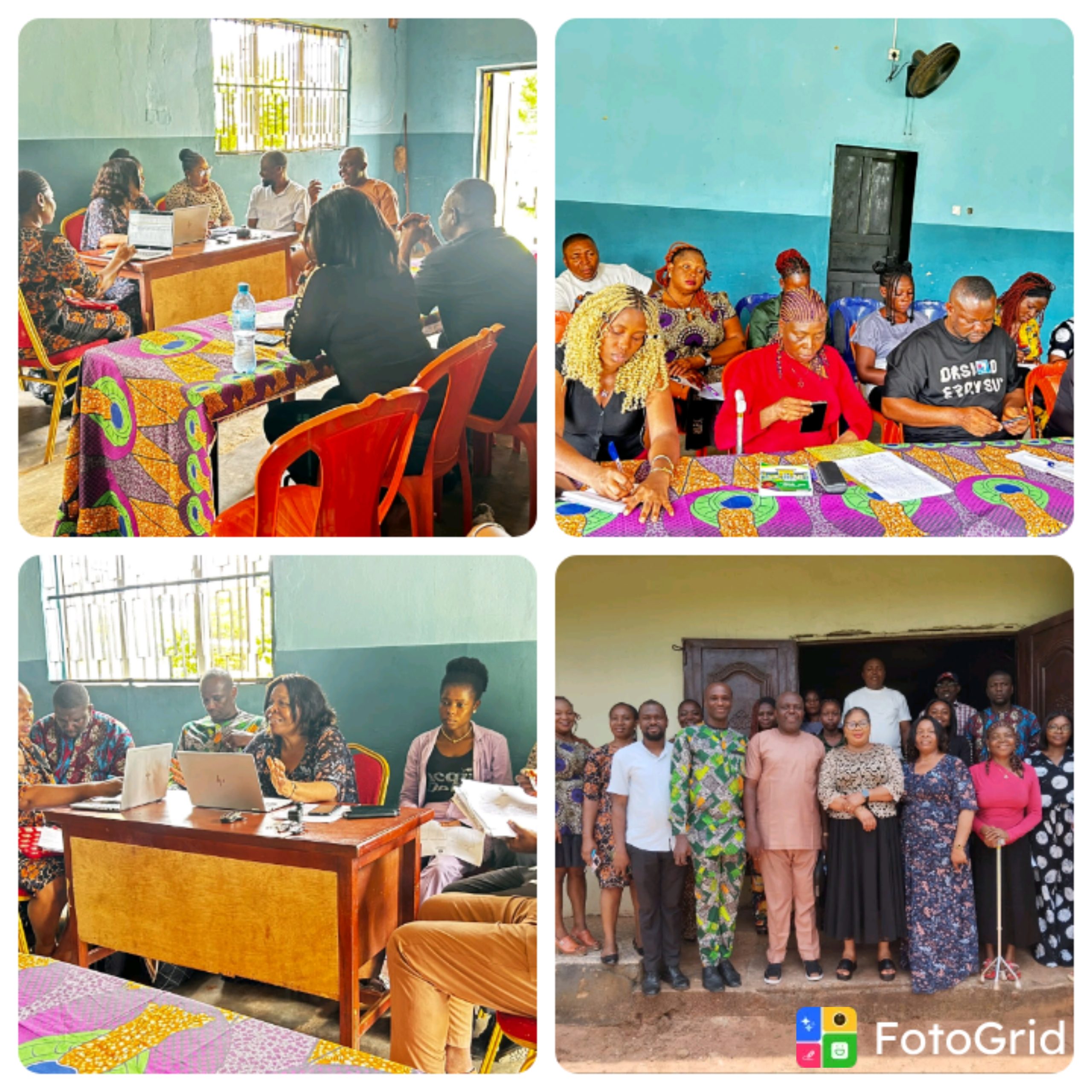
The call was made in Awka, Anambra State, during a media briefing on the Global Fund GC7 Integrated Community-Led Monitoring (I-CLM) Project, currently being implemented in nine primary healthcare centres (PHCs) in the state.
The project is implemented by the Civil Society for the Eradication of Tuberculosis in Nigeria (TB Network), Network of People Living with HIV/AIDS in Nigeria (NEPWHAN) and Association of Civil Society Organisations on Malaria, Immunisation and Nutrition (ACOMIN), in partnership with the Institute of Human Virology Nigeria (IHVN).
Speaking at the briefing, State Coordinator, Ifenyinwa Unachukwu, stressed the need for adequate funding, stronger health systems and community engagement to improve responses to HIV, TB and malaria.
She urged authorities to extend health insurance coverage to vulnerable citizens, particularly low-income earners, who often struggle to afford healthcare services.
Unachukwu also called for transparent management of primary healthcare funds and urged communities to support PHCs through volunteering, resource mobilisation and advocacy.
According to her, community-based organisations implementing the project have increased patronage of healthcare facilities through public awareness campaigns, helping to address misconceptions and barriers to accessing services.
She further expressed concern over gender-based violence and human rights abuses, urging stakeholders and citizens to speak out against domestic violence, rape, forced marriages and other forms of abuse.
Unachukwu called for the expansion of evidence-based, cost-effective interventions such as I-CLM, noting that community participation and people-centred healthcare delivery were essential to achieving sustainable health development.
Tags: Community Health, Anambra State, HIV/TB/Malaria
C