By David Onwuchekwa
The ancient drums of Igbo spirituality echoed loudly in Awka, the Anambra State capital, on Wednesday, May 27, as practitioners of Odinani and Omenani from across Nigeria converged for a historic world conference aimed at reviving and protecting Igbo cultural heritage and traditional religion.
The conference, organized by Njikota Odinani Igbo Guru Guru in conjunction with Ejim Mara Ndị Bu Igbo Cultural Association, took place at the Prof. Dora Akunyili Women Development Centre and attracted an impressive gathering of traditional rulers, chief priests, Ezenwoke, Ezenwanyi, Ezedibia, Ezemmuo, cultural custodians and devotees of indigenous spirituality.
With the stirring theme, “Awake Oh Yee Sleeping Giants,” the gathering emphasized unity among practitioners of traditional religion and reaffirmed the relevance, potency and spiritual significance of Odinani and Omenani practices in Igboland.
Speaking during the event, the Coordinator and Founder of Ejim Mara Ndị Bu Igbo Cultural Association, Nze Anyanwuakpaoke, declared that the time had come for custodians of Igbo traditional religion to rise and form a united front to preserve and promote indigenous practices that have survived generations.
According to him, the conference was designed not only to strengthen unity among practitioners but also to distinguish genuine traditionalists from impostors exploiting the system.
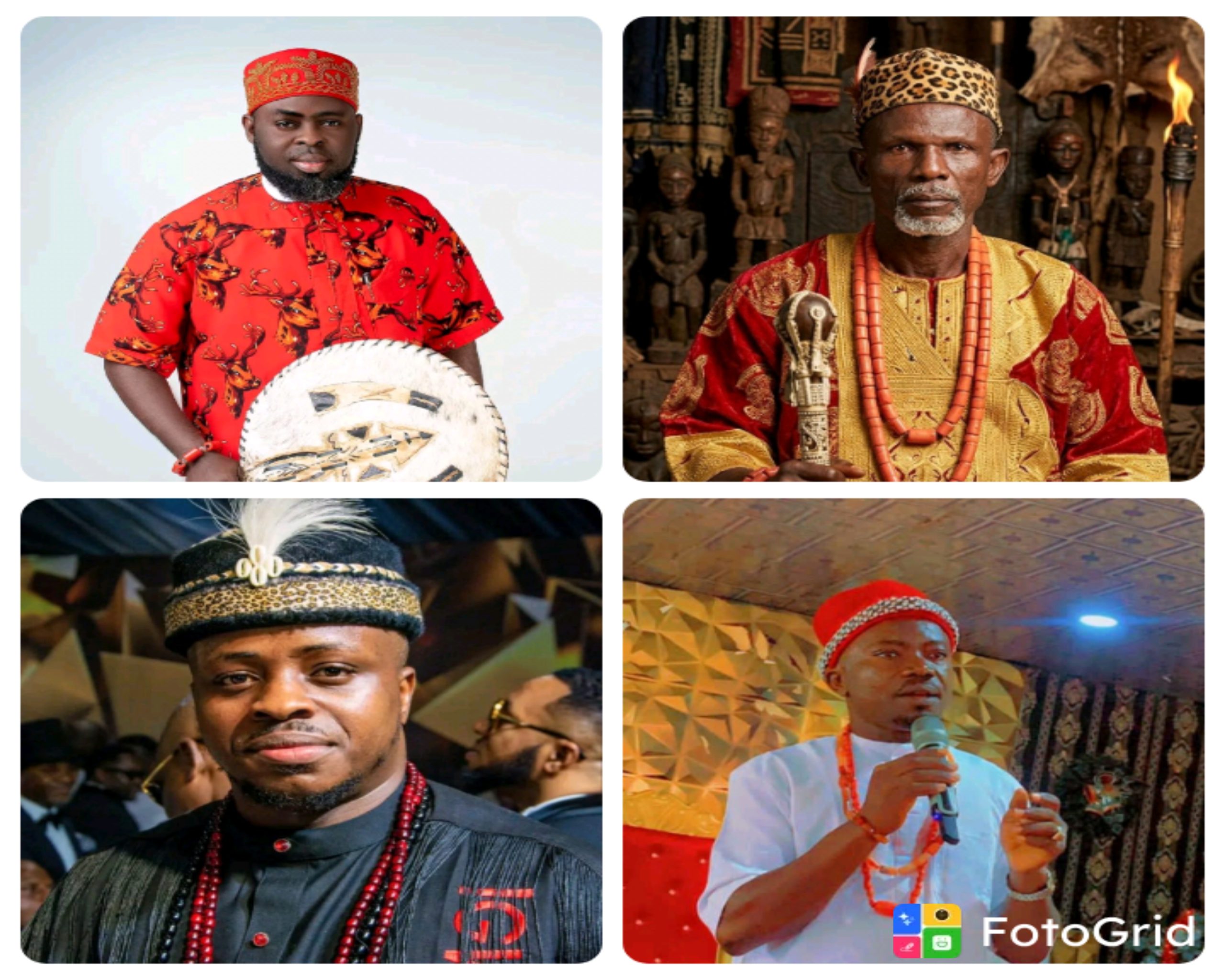
One of the major presentations came from Maazi Dibia who is IgweAro-Ovuonye Umuoji Nando; who spoke extensively on “Ana”, the earth deity, which he described as feminine in nature and symbolic of life, fertility and divine authority.
He explained that women deserve utmost respect because every mortal originates from a woman, while describing man as “Ajana,” the enforcer of rules and balance in human existence. He made a valid distinction between Ana the Earth feminine goddess and Ajana the Earth masculine god which works in partnership with Ana to maintain order and balance as every aspect of life is rooted in duality.
“Tradition touches every aspect of life. Odinani represents the natural occurring elements which are used to observe Omenani in daily practices of our culture, traditions, customs, ethics, spirituality and precepts as they are what humanity should not neglect,” he declared.
Projecting into the future, he predicted that by the year 2030, a practicing traditionalist could emerge as Commissioner for Culture in Anambra State who would be knowledgeable in cultural related matters as against someone who has little or no knowledge of our core values. He commended appointees to that position for their efforts so far.
In another major highlight, His Royal Highness, Prof. Onyeche Promise from Rivers State disclosed that the Federal Government had begun recognizing traditional medicine practitioners in Nigeria through an ongoing digital registration exercise.
He explained that the initiative was aimed at elevating traditional medicine from local practice to international recognition.
According to him, practitioners would henceforth be officially identified based on their areas of specialization, warning that it would become an offense for registered practitioners to operate outside the scope for which they were certified.
Another remarkable testimony came from His Majesty, Ezekiel Esonu Ototo, who revealed that he had served as a Pastor in the Assemblies of God Church for more than twenty years before embracing traditional religion.
He spoke extensively on the similarities and differences between Christianity and African traditional spirituality, insisting that indigenous religion should not be demonized or misunderstood.
Also presenting at the conference was renowned Odinani scholar, Nze Dike Ugboaja, alongside several other advocates of traditional heritage.
On the preservation of Igbo language, Adaigwe Chioma Onyema of the Suba Asusu Gi Initiative raised alarm over the declining use of the Igbo language among younger generations.
She noted that the United Nations Educational, Scientific and Cultural Organization (UNESCO) had classified Igbo as an endangered language that could gradually disappear if urgent measures are not taken.
Lamenting the growing preference for English over indigenous language, she criticized parents and guardians who neglect teaching their children their mother tongue.
“Many parents now speak only English to their children, and in most cases, not even correct English,” she lamented, urging especially mothers to take responsibility for preserving the language at home.
Other notable speakers who advocated the promotion of Odinani and Omenani practices included Queen Mother; Chief Michael Nnazoba; Lolo Ngozika; Bewise Onye Ego; Mrs. Nneka Nwankwo; and Chukwuemeka Ojemba, among others.
Chairman on the occasion was Chief Joseph Anikpe Obaelue, Dike Ora Umueri.