By David Onwuchekwa
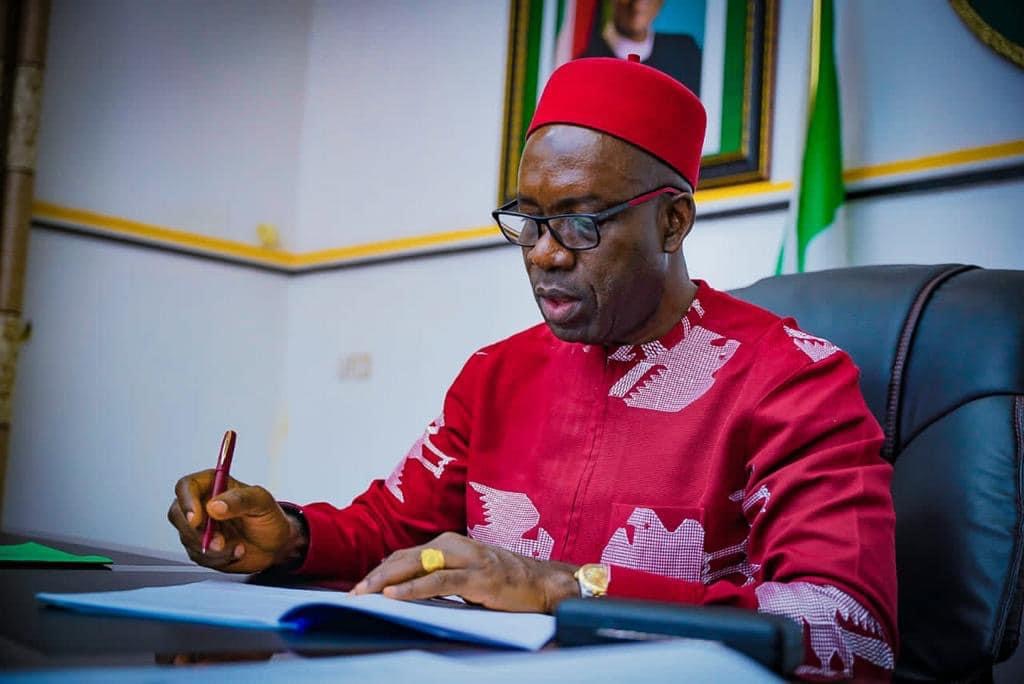
Professor Charles Chukwuma Soludo was first sworn in as Governor of Anambra State on March 17, 2022, at a time the state was facing significant security, economic and infrastructural challenges. As he takes the oath of office again on March 17, 2026 for a second tenure, the moment naturally invites a reflection on his first four years in office and the expectations of Ndi Anambra going forward.
During his first tenure, Soludo anchored governance on a long-term development vision aimed at transforming Anambra into a prosperous and livable homeland.
The administration placed strong emphasis on infrastructure development, particularly road construction across the state. Several road projects were initiated in different communities, linking rural areas to commercial centres and easing movement of goods and people.
The road dualization projects connecting communities across the state have also boosted commercial activities and improved access within major towns.
Urban renewal was another prominent feature of the administration. Efforts to modernize cities such as Awka, Onitsha, Nnewi and Ekwulobia were undertaken through road expansion, construction of flyovers, environmental sanitation reforms and beautification projects.
These initiatives were intended to address urban congestion while giving the state capital and major commercial towns a more organized outlook.
Education also received significant attention. The government recruited thousands of teachers and embarked on the construction of new schools equipped with modern learning facilities. These interventions were aimed at strengthening the state’s already strong reputation in education while preparing students for a technology-driven future.
The administration also promoted technology and digital governance. Efforts were made to digitize aspects of government services and encourage innovation among young people, reflecting Soludo’s broader vision of positioning Anambra as a hub for knowledge, technology and entrepreneurship.
In the economic sector, the government introduced programmes aimed at boosting agriculture, supporting small businesses and attracting investors. The administration repeatedly emphasized its goal of transforming Anambra from a departure lounge for migration into a destination for investment and enterprise.
However, the first tenure was not without criticism and challenges. Security concerns remained a major issue in parts of the state, as criminal activities and periodic disruptions affected economic life.
While government took measures to improve the situation, many residents believe more needs to be done to ensure lasting peace and stability.
There were also debates about the pace of development and the need to ensure that projects announced by government are completed within reasonable timelines. Some traders and small business operators also expressed concerns over regulatory enforcement and taxation policies.
Despite these concerns, Soludo’s re-election reflected a level of public confidence in his leadership and in the direction of his policies. The second tenure therefore presents an opportunity to consolidate the gains of the first four years while addressing areas where expectations remain high.
For Ndi Anambra, security remains the most urgent expectation. Residents want a situation where businesses operate without fear and where communities enjoy lasting peace and stability.
There is also strong expectation that ongoing infrastructure projects across the state will be completed and expanded to more rural communities. Improved road networks, better urban planning and stronger transport systems are seen as essential to sustaining economic growth.
Economic development and job creation are equally high on the agenda. Many people expect the second term to focus more aggressively on industrialization, support for small and medium enterprises, and policies that can generate employment for the large population of young people in the state.
Education and technology development are also areas where the people expect deeper progress, particularly through more innovation centres, improved digital infrastructure and opportunities for youth participation in the knowledge economy.
As Charles Chukwuma Soludo begins his second tenure in Anambra State, the general sentiment among Ndi Anambra is that the foundation has been laid during the first four years. The challenge of the next four years will be to translate that foundation into visible prosperity, stronger security and sustainable economic growth.
Ultimately, the success of the second tenure will be judged not only by the number of projects executed but by how effectively those policies and projects improve the everyday lives of the people of Anambra State.
What’s more, the media community expects His Excellency to be media-friendly. That’s the way to go.