

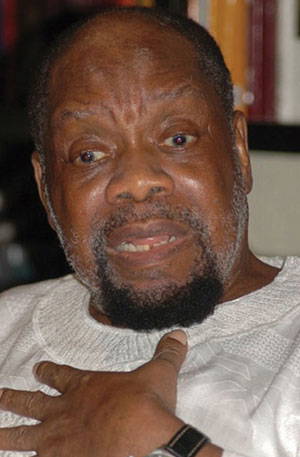
Former Head of State, General Abdulsalami Abubakar, has disclosed that the late Biafran leader, Chukwuemeka Odumegwu Ojukwu, refused to recognize General Yakubu Gowon as Nigeria’s Head of State following the assassination of Major General Johnson Aguiyi-Ironsi because he believed military hierarchy had been breached.
Abdulsalami made the revelation in his autobiography, Call of Duty, which was publicly presented in Abuja during activities marking his 84th birthday.
Dispute Over Military Succession
According to the former military ruler, Ojukwu maintained that Brigadier Babafemi Ogundipe, who was Chief of Staff at the Supreme Headquarters and next in command after Aguiyi-Ironsi, should have succeeded the slain Head of State.
He said Ojukwu’s refusal to pledge loyalty to Gowon heightened tensions at a time Nigeria was already grappling with ethnic unrest and political uncertainty.
Anti-Igbo Violence Deepened Crisis
Abdulsalami recalled that following the January 1966 coup, anti-Igbo sentiments spread across parts of Northern Nigeria, leading to protests, riots and attacks on Igbo residents.
He noted that many Igbos were killed while properties were destroyed in cities including Kano, Kaduna and Sokoto, forcing thousands to return to the Eastern Region.
The former Head of State said retaliatory killings also occurred in the East, further worsening divisions across the country.
Declaration of Biafra
With efforts to resolve the crisis failing, Ojukwu announced the secession of the Eastern Region on May 30, 1967, proclaiming the Republic of Biafra.
Abdulsalami said Ojukwu believed the Igbo people were being marginalized and victimized, making secession the only viable option.
He added that attempts at reconciliation, including the famous Aburi Accord, failed to halt the slide into war.
‘The War Could Have Been Avoided’
Reflecting on the conflict, Abdulsalami expressed the view that the Nigerian civil war could have been prevented.
According to him, rising tempers, mutual distrust and cycles of retaliation left little room for dialogue and compromise.
He said the painful lessons of the war should serve as a reminder that Nigeria must never return to armed conflict.
Costly Military Mistake at Onitsha
The former military leader also recounted what he described as one of the most costly mistakes made by federal troops during the war.
He said after the capture of Onitsha in February 1968, commanders prematurely believed victory had been secured and moved troops and ammunition in a vulnerable formation.
However, Biafran forces launched a fierce counterattack with rockets and bombs, destroying vehicles and fuel tankers and killing many soldiers.
Abdulsalami said he narrowly escaped death during the attack.
Tags: Nigeria Civil War, Ojukwu, Yakubu Gowon, Abdulsalami Abubakar, Biafra, Aguiyi-Ironsi, Babafemi Ogundipe, Nigerian History, Eastern Region, Onitsha Battle, Aburi Accord, Civil War Revelations


