
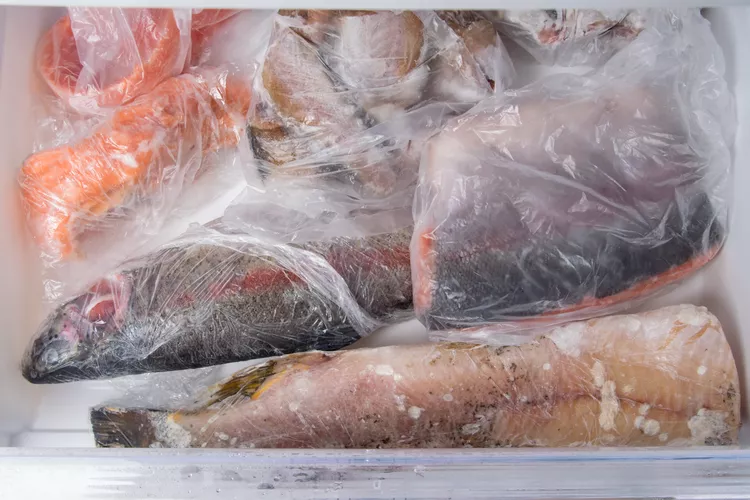
Fish is one of the healthiest sources of protein, and freezing it is an excellent way to extend its shelf life. However, how long it remains safe and maintains its quality depends on the type of fish, its fat content, and how it is packaged before freezing.
Food experts say that while freezing preserves fish, improper storage can affect its texture, flavour and freshness over time.
Fresh or Previously Frozen?
Contrary to popular belief, fish sold at seafood counters has often been frozen shortly after being caught before reaching the market. Experts advise buyers to ask whether the fish has been previously frozen, especially if they do not intend to cook it immediately.
Commercial freezers operate at much lower temperatures than home freezers, allowing fish to freeze rapidly with minimal damage to its cells.
This helps preserve its quality better than freezing it later at home.
Fat Content Determines Shelf Life
The amount of fat in a fish significantly affects how long it can stay in the freezer.
Fatty fish such as salmon, tuna, trout and sardines freeze well but generally have a shorter freezer life because their natural oils can become rancid over time.
Leaner fish, including halibut and similar white fish, usually keep their quality for a longer period.
Proper Packaging Is Essential
Experts recommend removing as much air as possible before freezing fish to prevent freezer burn and preserve freshness.
Vacuum sealing is considered the best option because it limits exposure to oxygen, slowing down oxidation and moisture loss.
If a vacuum sealer is unavailable, fish can be placed in a freezer-grade resealable plastic bag. Most of the air can be removed by partially sealing the bag and gently lowering it into cold water before sealing it completely.
How Long Can Fish Last?
General recommendations include:
Most fish stored in a home freezer should ideally be used within 3 to 4 months for the best quality.
Fatty fish such as salmon, tuna and sardines are best consumed within 3 months.
Lean fish like halibut can maintain good quality for up to 6 months.
Properly vacuum-sealed fish stored continuously at freezing temperatures can remain in good condition for up to one year.
Can Fish Be Refrozen?
Food experts discourage refreezing thawed fish. Repeated freezing and thawing damages the flesh, making it soft and mushy while reducing overall quality.
Does Frozen Fish Go Bad?
Yes. Although freezing slows spoilage, fish can still deteriorate over time. A strong unpleasant odour, often described as waxy or similar to crayons, is a sign that the fish has lost its quality and should not be eaten for the best culinary experience.
Best Place to Store Fish
Fish should be kept in the coldest part of the freezer, usually at the back, where temperatures remain most stable. Avoid storing it near the freezer door, where frequent opening causes temperature fluctuations.
Proper packaging, consistent freezing temperatures and timely use are the key factors in ensuring frozen fish remains safe, nutritious and enjoyable to eat.


