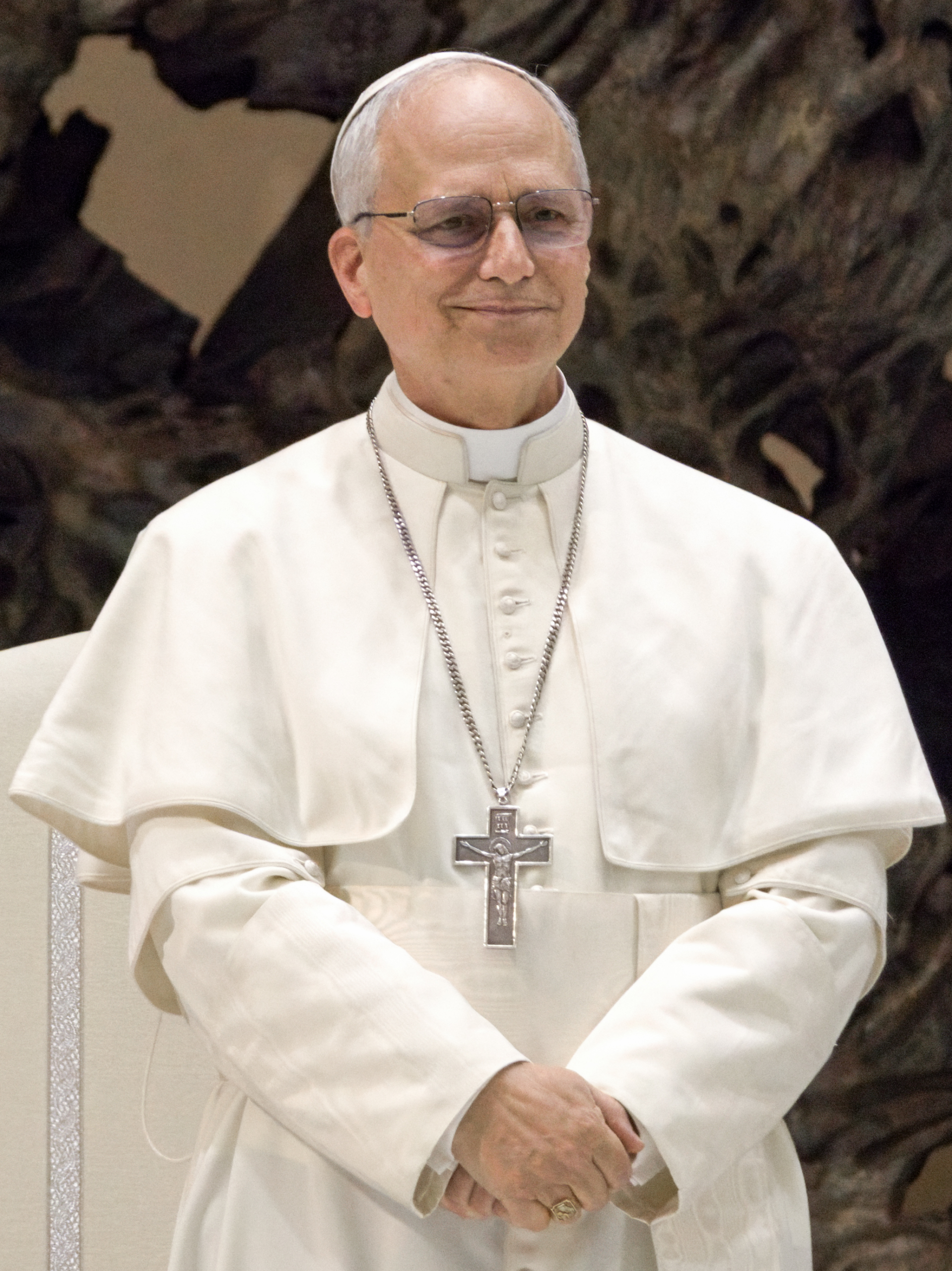
A major confrontation is brewing between the Vatican and the traditionalist Catholic group known as the Society of St. Pius X (SSPX), threatening to deepen divisions within the Roman Catholic Church just over a year into the papacy of Pope Leo XIV.
The SSPX has announced plans to ordain four new bishops on July 1 without the approval of the Vatican.
Under Catholic canon law, such an action is considered illicit and carries the penalty of automatic excommunication.
Pope Leo has appealed to the group to reconsider, saying he hopes they will remain in communion with the Church.
“Do not do this; let us try to live in communion within the Church,” the Pope said, warning that if they proceed, “we must move forward.”
A Long-Running Rift
The SSPX was founded in 1970 in Switzerland by Archbishop Marcel Lefebvre in opposition to the reforms introduced by the Second Vatican Council.
The movement has grown into a significant international network, particularly in the United States, France, Argentina and Switzerland. It claims that more than 500,000 Catholics attend its Masses worldwide and that it has nearly 1,500 priests, seminarians and other members.
The society argues that the planned ordinations are necessary to ensure its future and insists it is not trying to establish a rival Catholic Church.
Why the Vatican Objects
The Vatican’s disagreement with the SSPX goes far beyond the celebration of the Latin Mass.
The group rejects several key teachings of the Second Vatican Council, including:
Recognition of religious freedom.
Improved relations with other Christian denominations.
Dialogue with other world religions.
The Church’s rejection of antisemitism.
The teaching that Jews should not be collectively blamed for the death of Jesus Christ.
According to theologian Massimo Faggioli, these are fundamental doctrines of the modern Catholic Church, making reconciliation extremely difficult.
Previous Attempts at Reconciliation
The last time the SSPX ordained bishops without papal approval was in 1988, leading to the excommunication of those involved, including Archbishop Lefebvre.
In 2009, Pope Benedict XVI lifted those excommunications as a gesture of goodwill and expanded permission for celebrating the traditional Latin Mass.
His successor, Pope Francis, adopted a mixed approach. While he dissolved a Vatican commission dedicated to talks with the SSPX, he also recognized the validity of the group’s confessions and marriages under certain conditions.
Despite these efforts, full reconciliation has remained elusive.
Growing Conservative Tensions
The dispute comes amid broader tensions between the Vatican and some conservative Catholics, particularly in the United States, where some influential Catholics have publicly opposed Vatican positions on issues such as immigration and foreign policy.
The SSPX advocates a strongly traditional interpretation of Catholicism, including exclusive use of the Latin Mass and strict gender roles. Women attending its churches are generally encouraged to wear head coverings and are discouraged from wearing trousers.
Controversies
The SSPX has also faced criticism over alleged links to far-right figures and controversies involving antisemitism.
Among the most notable incidents:
French Nazi collaborator Paul Touvier was arrested at an SSPX priory in 1989.
In 2009, SSPX bishop Richard Williamson publicly denied the scale of the Holocaust.
In 2013, the group officiated the funeral of Nazi war criminal Erich Priebke after he was refused burial by the Diocese of Rome.
The SSPX has consistently denied promoting antisemitism, stating that it “completely rejects” racial hatred of Jewish people.
What’s Next?
If the SSPX proceeds with the July 1 ordinations, the Vatican is expected to respond in accordance with canon law, potentially resulting in the automatic excommunication of those involved.
Such a move could mark the most serious rupture between the Holy See and the traditionalist movement in nearly four decades and pose one of the first major tests of Pope Leo XIV’s leadership as he seeks to preserve unity within the global Catholic Church.
Tags: Pope Leo XIV, Vatican, Society of St. Pius X, SSPX, Catholic Church, Roman Catholic Church, Traditionalist Catholics