
By Chinedum Treasure
Anambra State Ministry of Women Affairs and Social Development has taken a bold step to strengthen child protection systems by officially adopting and validating a new state guideline on alternative care for children.
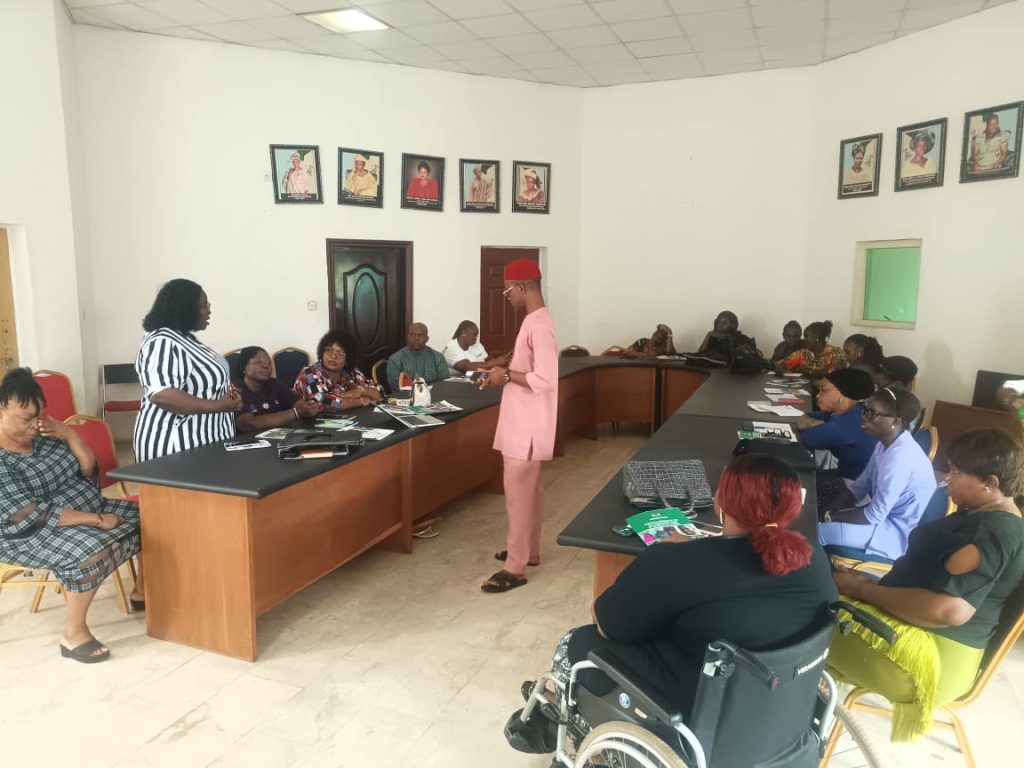
The two-day validation workshop was organized in collaboration with the Child Protection Network (CPN) with funding support from SOS Children’s Villages.
The new guideline, adapted from the national framework launched in July 2024 with support from UNICEF and European Union, places emphasis on family-based care over institutional placements.
It also ensured children grow up in safe, nurturing environments while reinforcing regulatory safeguards.
Commissioner for Women Affairs and Social Welfare, Mrs. Ify Obinabor, said the adoption was the outcome of extensive consultations with stakeholders and reflects Anambra’s unique cultural and social context.
“This revised framework goes beyond policies and technicalities. It ensures every child-facing worker undergoes compulsory training and integrates background checks with the Ministry of Justice Sexual Offenders Register.
“It also strengthens reference verification, expands adoption procedures and mandates regular medical check-ups with systematic monitoring of placements,” she added.
Executive Director of Solace Hub for Health and Rights Initiative, Mr. Isreal Orji, who served as resource person and moderator, noted that the review process included strong civil society input, which made the guideline more context-specific.
He highlighted one of the symbolic shifts in the new framework: street children will now be referred to as Umuagbataobi instead of Almajiri, while foster caregivers will be called Onyenedo—a move designed to reduce stigma and foster community acceptance.
Participants also underscored the need for stronger data collection systems at community and local government levels, as well as thorough background checks for all caregivers.
They stressed that while families remain the bedrock of child protection, government must provide clear policies and guidance to shield children in vulnerable situations.
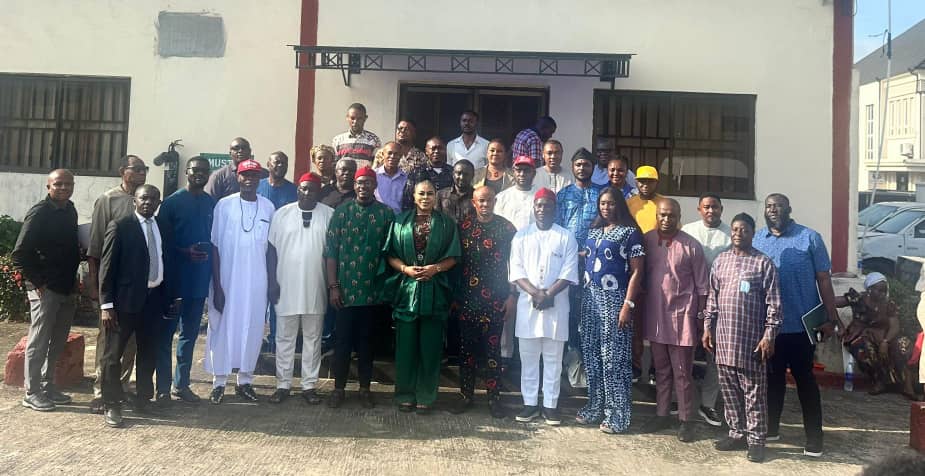
The gathering brought together wide range of stakeholders, including civil society organizations, the media, law enforcement agencies and Joint National Association of Persons with Disabilities (JONAPWD).
Others were Technical Working Group (TWG), Children’s Parliament, child protection advocates, State CPN Coordinator Anekwe Eucharia and Director of Child Department Ekene Anaesona.
Participants, at the end of the engagement unanimously endorsed the adopted guideline as a working tool to strengthen child welfare and protection in Anambra State.