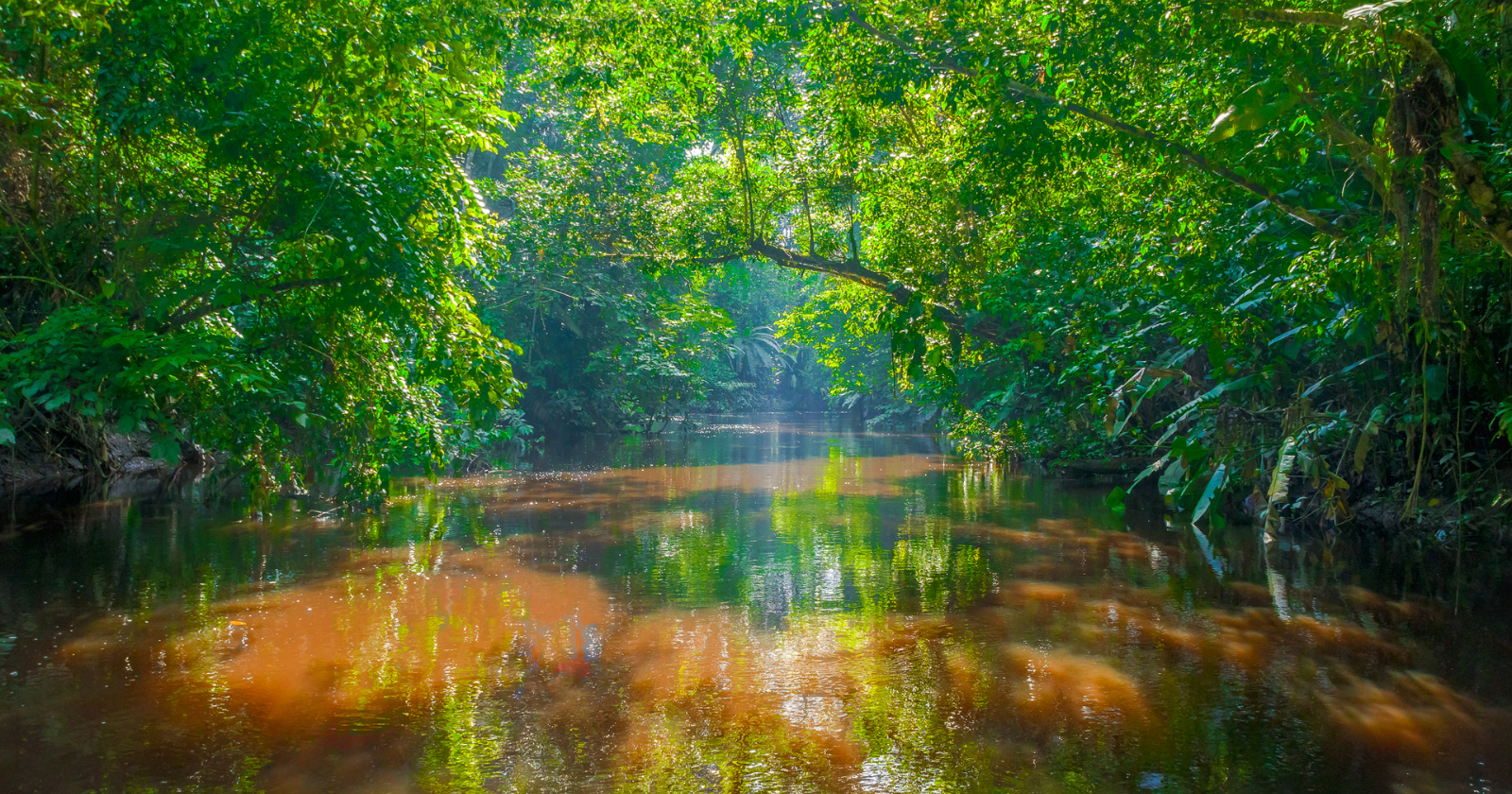
A river in the Peruvian Amazon has become one of the world’s most unusual natural wonders, with water temperatures reaching nearly 100 degrees Celsius despite being located hundreds of kilometres from any active volcano.
Known as Shanay-timpishka, meaning “boiled with the heat of the sun” in the language of the indigenous Asháninka people, the river flows through the Mayantuyacu region of central Peru.
A four-kilometre stretch of the river remains hot enough to kill small animals that fall into it.
The river, which is about nine kilometres long, has fascinated scientists because it exists in a geologically quiet region with no nearby volcanic activity.
For years, many researchers dismissed stories about the river as legend until geothermal scientist, Andrés Ruzo began studying it in 2011.
According to current research, the river is heated by a deep hydrothermal system.
Rainwater seeps deep underground through fault lines, where it is heated by the Earth’s natural geothermal energy before returning to the surface through hot springs that feed the river.
Scientists say Shanay-timpishka is the largest known non-volcanic geothermal river on Earth.
Beyond its geological mystery, the river is also helping researchers understand the effects of climate change.
A recent study found that forests growing near the hottest sections contain fewer tree species and are dominated by heat-tolerant plants, offering a glimpse into how parts of the Amazon rainforest may respond to rising global temperatures.
Conservationists are also concerned about threats from illegal logging, road construction and resource exploration in the region.
Efforts are ongoing to secure stronger legal protection for the river and its surrounding forest.
For the Asháninka people, however, the river remains more than a scientific curiosity. It is a sacred place linked to Yacumama, the legendary Mother of Waters, whose presence they believe gives the river its extraordinary heat.
Tags: Peru, Amazon Rainforest, Boiling River, Shanay-timpishka, Science, Environment, Climate Change, Geothermal Energy, Indigenous Communities, Conservation, Nature, Research.