
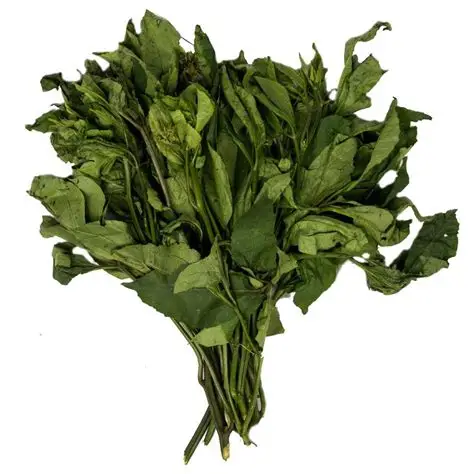
Nutritionists and food safety experts have warned Nigerians against the common practice of having vegetables sliced at open markets before taking them home, citing serious hygiene, food poisoning and nutritional risks.
The experts said vegetables should instead be taken home, thoroughly washed under clean running water and only then cut or sliced for cooking.
The warning comes amid concerns that vegetables handled and sliced in unhygienic market environments could become contaminated with harmful microorganisms, chemicals and other foreign materials.
A registered dietician-nutritionist and Assistant Director of Dietetics with the Lagos State Health Service Commission, Olusola Malomo, described the practice as unhealthy and potentially dangerous.
According to him, open markets generally provide an unsafe environment for cutting vegetables, particularly where proper hygiene cannot be guaranteed.
Malomo also warned that cutting vegetables before washing could contribute to nutrient loss.
He explained that when vegetables are sliced before being washed, some nutrients can be lost during subsequent washing because the exposed surfaces allow water to wash away vital nutrients.
He therefore advised consumers to wash vegetables thoroughly before slicing them to preserve their nutritional value and reduce the risk of contamination.
Another registered dietician-nutritionist, Nwabumma Asouzu, said vegetables could be contaminated by several physical and biological agents during handling.
She listed dirty hands, faecal matter, parasites, maggots, insects, sand and tiny stones among possible contaminants that could be introduced during the cutting and handling process.
Asouzu further warned that contaminated vegetables could expose consumers to food-borne infections caused by organisms such as Salmonella, E. coli, Cryptosporidium and Listeria.
She explained that vegetables should be handled carefully from the farm through transportation and marketing until they reach the consumer’s kitchen.
The expert also noted that cutting or mishandling vegetables could contribute to the loss of certain nutrients, including vitamin C, B vitamins and folate.
Beyond contamination, Malomo raised concerns over possible residues of agricultural chemicals on vegetables.
He said vegetables could have been exposed to fertilisers, insecticides and pesticides before reaching the market, making proper washing at home particularly important.
The nutritionists advised consumers to avoid buying bruised or damaged vegetables, as damaged portions may provide opportunities for microorganisms to enter the produce.
They recommended washing vegetables under running tap or clean water and rubbing or scrubbing firm-skinned vegetables with a clean vegetable brush where necessary.
They also cautioned Nigerians against using detergents or bleach to wash fresh vegetables and fruits, adding that such substances are not meant for consumption.
Consumers were further advised to separate fresh vegetables from household chemicals, raw meat, poultry and seafood while shopping and during food preparation.
The nutritionists therefore urged Nigerians to abandon the habit of cutting vegetables at the point of purchase and instead prioritise proper washing and hygienic handling at home to protect their health and preserve the nutritional quality of their food.
Tags: #FoodSafety #Nutrition #HealthyEating


