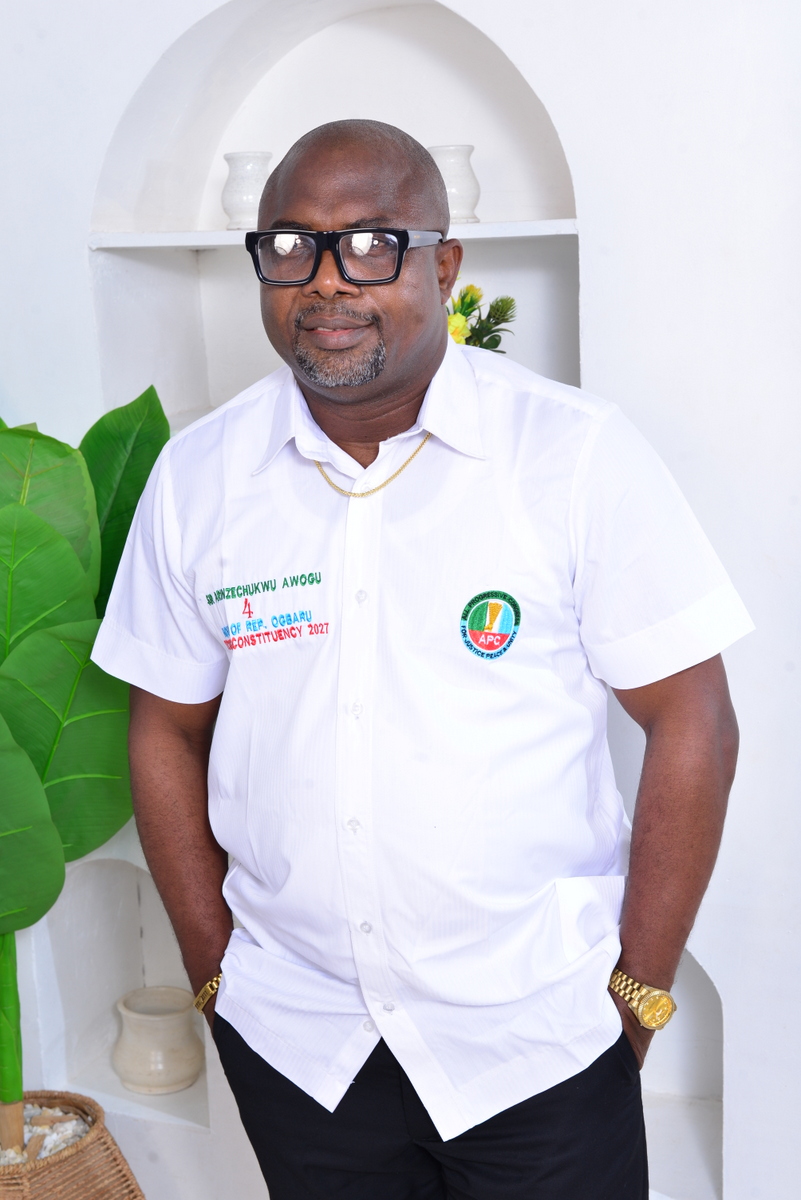

By David Onwuchekwa
The plight of journalists in Anambra State has long been a subject of concern, yet it remains unaddressed, buried beneath political fanfare and repeated cycles of neglect.
These are the very professionals who risk life and limb to inform, educate, and enlighten society, the chroniclers of the State’s democratic journey. They document every administration from inception to conclusion.
Regardless of the government in power, they write the stories that shape public perception, often attracting unwarranted enmity, threats, and backlash even when their reports are balanced and fair.
Yet, despite their indispensable role, Anambra journalists continue to exist on the margins. They are the mirror of the society they serve, but that mirror is cracked by poverty, disillusionment, and systemic abandonment.
Many struggle to provide basic needs for their families, to pay rent, to send their children to higher institutions, and to keep up with the ever-rising cost of living. It is a tragic irony that those who give voice to others are left voiceless when it comes to their own welfare.
In states like Akwa Ibom and Lagos, just to mention two, the narrative is different. There, journalists are accorded recognition and basic support systems that reflect their contributions to governance and development.
These states have shown that it is possible, and indeed necessary, to prioritize the welfare of the media professionals who help to sustain democracy.
Anambra, now officially an oil-producing state, has no excuse. Journalists should not be treated as disposable tools. They deserve monthly stipends that are consistent and meaningful, not the current irregular tokens that barely scratch the surface of their needs.
More than that, journalists in Anambra deserve structured welfare packages: access to healthcare, capacity-building opportunities, and most importantly, decent accommodation.
Is it too ambitious for the government to consider establishing a “Journalists’ Estate” in the state, just like civil servants and other professionals have? Or at least to initiate housing support schemes that can alleviate the pressure on these struggling professionals?
What makes the situation even more alarming is the uncertainty that shadows the post-retirement life of these journalists.
Most freelancers have no pension plans or end-of-service packages. Even those on formal payrolls are not immune from this insecurity, as pension remittances and gratuity assurances are often a mirage.
Now that Anambra is once again in an election season, with lofty promises flying left and right, any incoming administration or a continuing one, as determined by the electorate, must understand that the media cannot and should not be left behind.
The pen, when neglected, can be turned against any system that devalues its worth. The time to act is now. The abandonment must end.
Let the voice of the media be heard not just through their stories, but through policies that recognize and reward their sacrifices.