
By Titus Eleweke
Anambra-born human rights lawyer and lead counsel to the Indigenous People of Biafra (IPOB), Sir Ifeanyi Ejiofor, has cautioned religious leaders against weaponising ethnicity and religion ahead of the 2027 general elections.
Ejiofor, who holds the chieftaincy title of Dunu-Ezeugosinachi, gave the warning in his latest Weekend Musings titled, “The Auction of Ecclesiastical Imprimatur: A Disturbing Show of Shame and the Urgent Need to Quarantine Religious Authority from the 2027 Electioneering Campaigns.”
He said the pulpit should not be turned into a campaign platform, while religious authority should not be used as an instrument of partisan political mobilisation.
Ejiofor said he had no objection to clergy and other religious leaders exercising their constitutional right to support candidates of their choice. However, he expressed concern when ecclesiastical identity and the authority of the Church are deployed for partisan political endorsements.
According to him, the Church occupies a unique moral position in society, deriving its influence from public confidence in its spiritual and moral responsibilities rather than from political power or electoral calculations.
“The Church should be a conscience to power, not a megaphone for power,” he said.
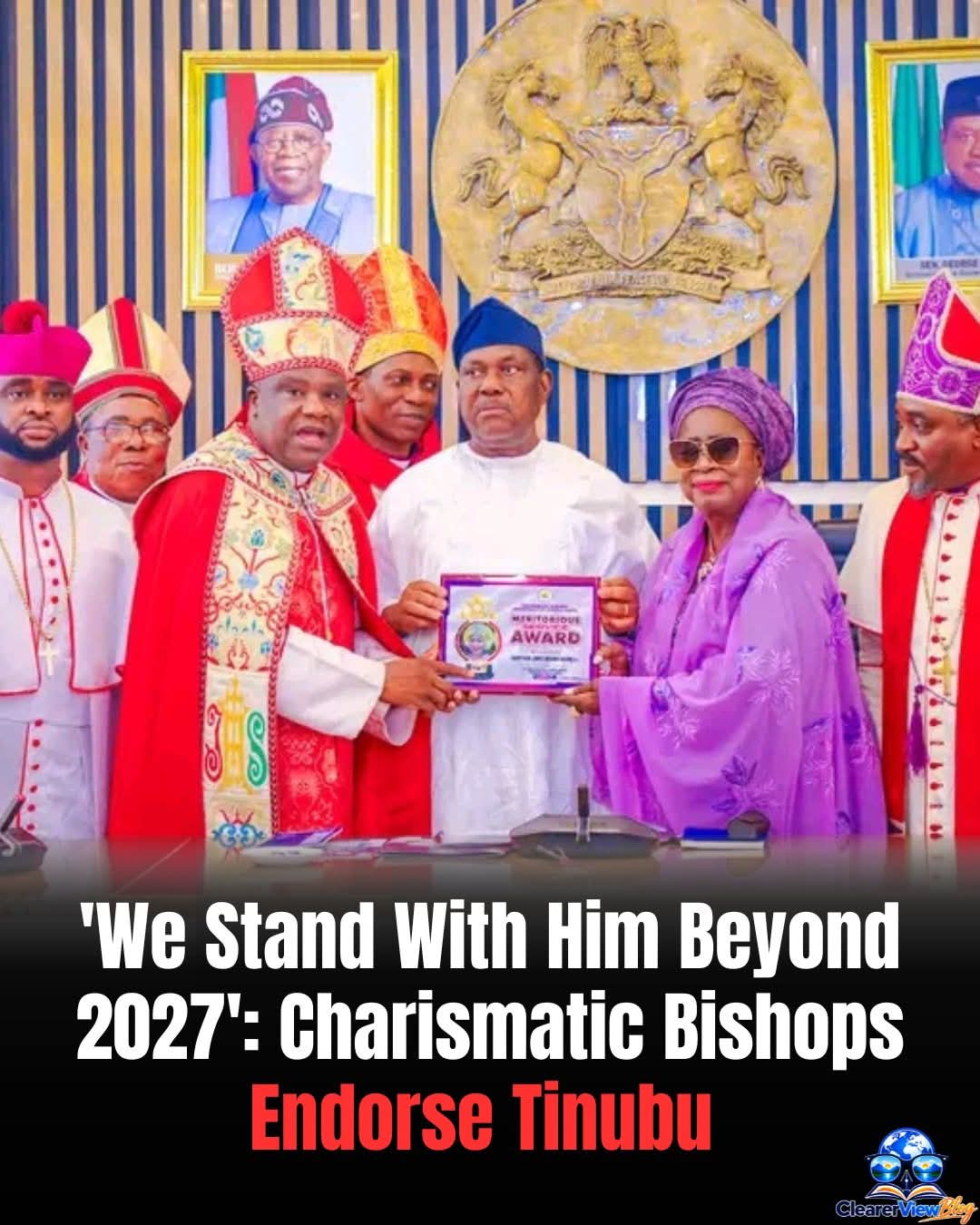
Ejiofor also criticised what he described as the public deployment of episcopal regalia at a recent political gathering in Abuja, where political pronouncements and endorsements were reportedly made in support of the APC presidential candidate for 2027.
He said the development raised questions about the distinction between individual political choices by clergy and the use of collective ecclesiastical authority for electoral purposes.
“There is nothing inherently wrong with a bishop, pastor, priest or Christian leader having political preferences,” Ejiofor said, stressing that clergy remain citizens with the same civic rights as other Nigerians.
“But the pulpit is not a political rally; episcopal vestments are not party uniforms; the altar is not a campaign podium; and ecclesiastical authority must never become a substitute for democratic persuasion.”
He warned that Nigeria’s history of religious and ethnic tensions makes the politicisation of religion particularly dangerous as the country approaches another highly contested election.
Ejiofor urged political actors and religious leaders to promote issue-based campaigns, saying the 2027 elections should be determined by records, policies and competing visions for Nigeria rather than religious or ethnic solidarity.
He added that religious institutions should retain the independence to commend or criticise government based on its performance without being perceived as politically compromised.
“This is not an argument against Christians participating in politics. It is an argument against the politicisation of Christianity,” he said.
Ejiofor concluded that Nigeria’s democracy deserved an electoral contest focused on issues and national development rather than one conducted under the influence of religious authority.
Tags: Ifeanyi Ejiofor, 2027 Elections, Religion and Politics, Nigeria Politics


