By David Onwuchekwa
The passage of the Federal Road Safety Corps (FRSC) Act (Amendment) Bill, 2026 by the Senate is a welcome development in Nigeria’s quest to improve road safety and reduce the alarming rate of traffic crashes.
By proposing stiffer penalties for offences such as traffic light violations, speeding, reckless driving and driving under the influence of alcohol or intoxicating drugs, the Senate has sent a strong message that indiscipline on Nigerian roads will no longer be tolerated.
For too long, the penalties for many traffic offences have been too insignificant to deter offenders. A driver who deliberately ignores traffic lights or drives recklessly places countless innocent lives at risk.
Increasing the fines to ₦100,000 and prescribing prison terms for serious offences will likely encourage greater compliance with traffic regulations and ultimately save lives.
The provision empowering FRSC officials to conduct breath tests on suspected drunk drivers is also commendable. Drunk driving remains one of the leading causes of fatal road accidents, and stronger enforcement measures are necessary to protect road users.
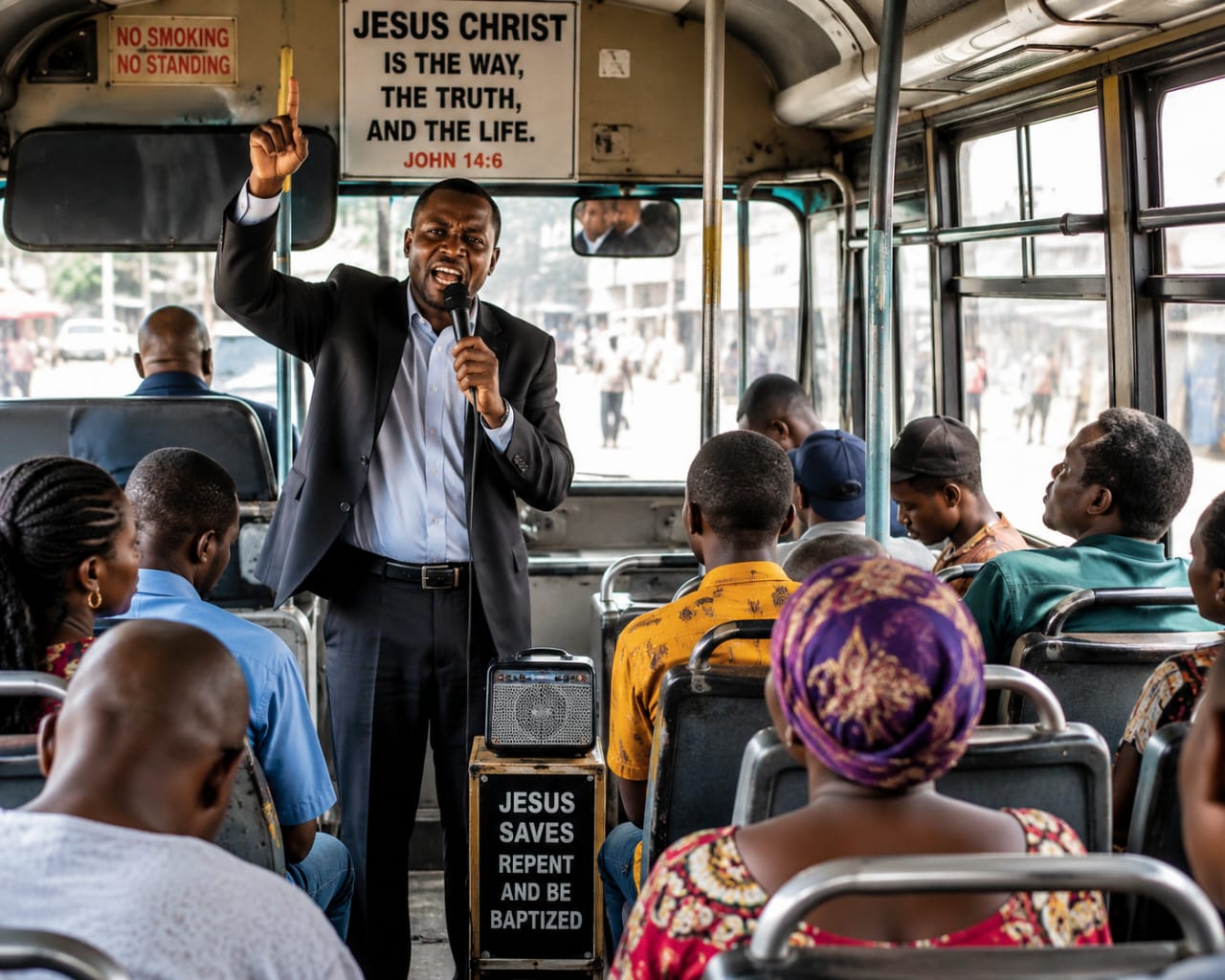
However, one aspect of the amendment deserves careful reconsideration. The proposed ₦50,000 fine for preaching inside commercial buses raises important constitutional and human rights concerns.
Nigeria’s Constitution guarantees every citizen the right to freedom of thought, conscience and religion, including the freedom to manifest and propagate religious beliefs.
While commercial buses should not become places where passengers are harassed or forced to participate in religious activities, an outright prohibition on preaching may amount to an unnecessary restriction on a constitutionally protected freedom.
Many Nigerians have encountered messages of hope, repentance and moral transformation through brief sermons delivered during bus journeys.
Some individuals have been positively influenced, abandoning harmful lifestyles and embracing values that make them better citizens. Such positive impacts should not be ignored.
Passengers who are not interested in listening to a preacher are free to disregard the message. As long as the preaching is peaceful, non-coercive, does not obstruct the driver, threaten passengers or compromise road safety, it should not attract criminal sanctions.
If the concern of lawmakers is to prevent distractions to drivers or disturbances to passengers, the legislation should specifically target conduct that compromises safety or amounts to harassment rather than imposing a blanket ban on all forms of preaching in commercial buses.
The Senate deserves commendation for strengthening Nigeria’s road safety laws.
The tougher penalties for dangerous driving behaviours are timely and necessary.
Nevertheless, the clause prohibiting preaching in commercial buses should be revisited before the bill receives presidential assent.
Road safety and constitutional freedoms are not mutually exclusive. It is possible to protect lives on our roads while also respecting the fundamental right of Nigerians to peacefully express and share their religious beliefs.
A balanced approach would better serve both the objectives of public safety and the constitutional values upon which Nigeria’s democracy is founded.