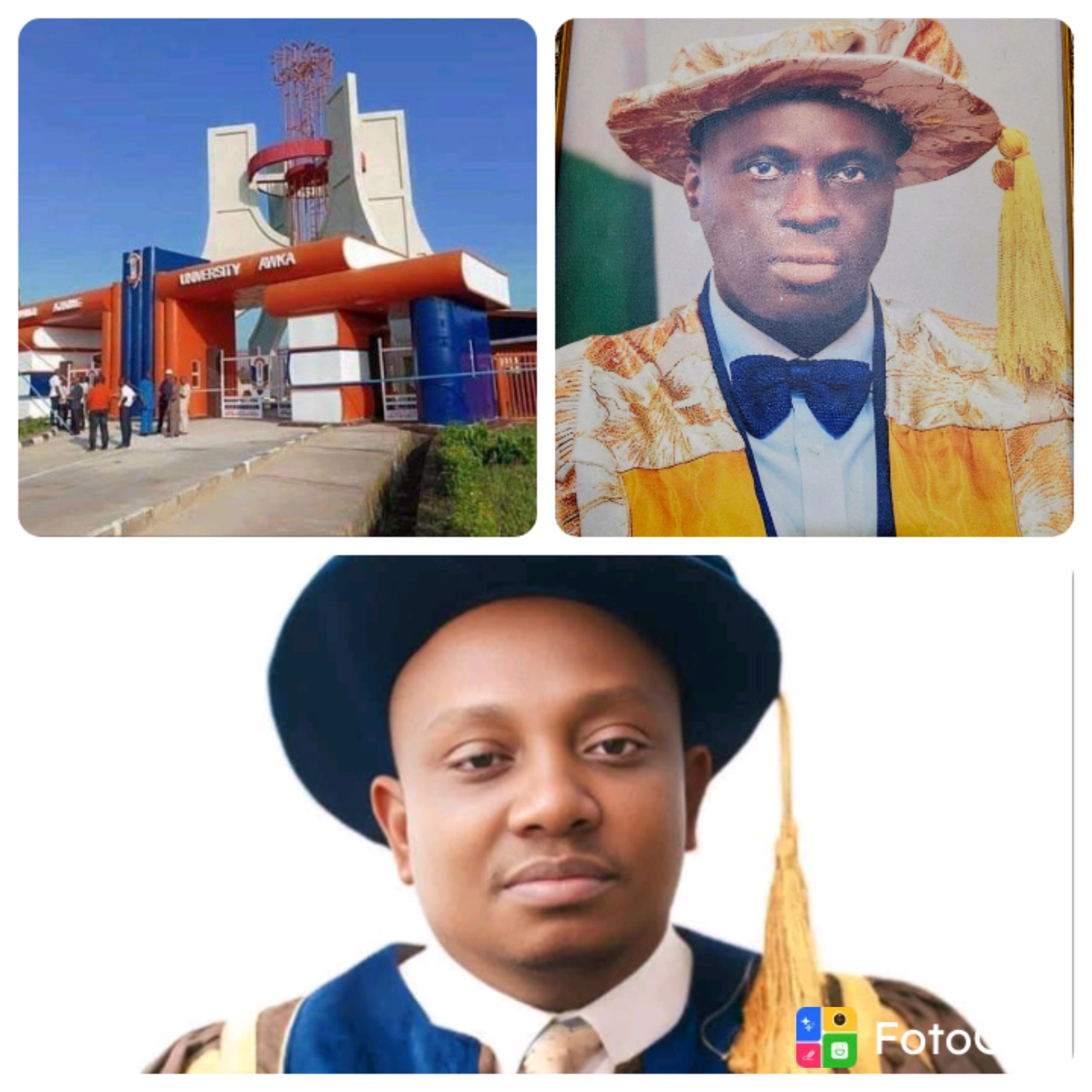
….as communication professionals, scholars holds workshop in Ebonyi
By Amechi Innocent, Abakaliki
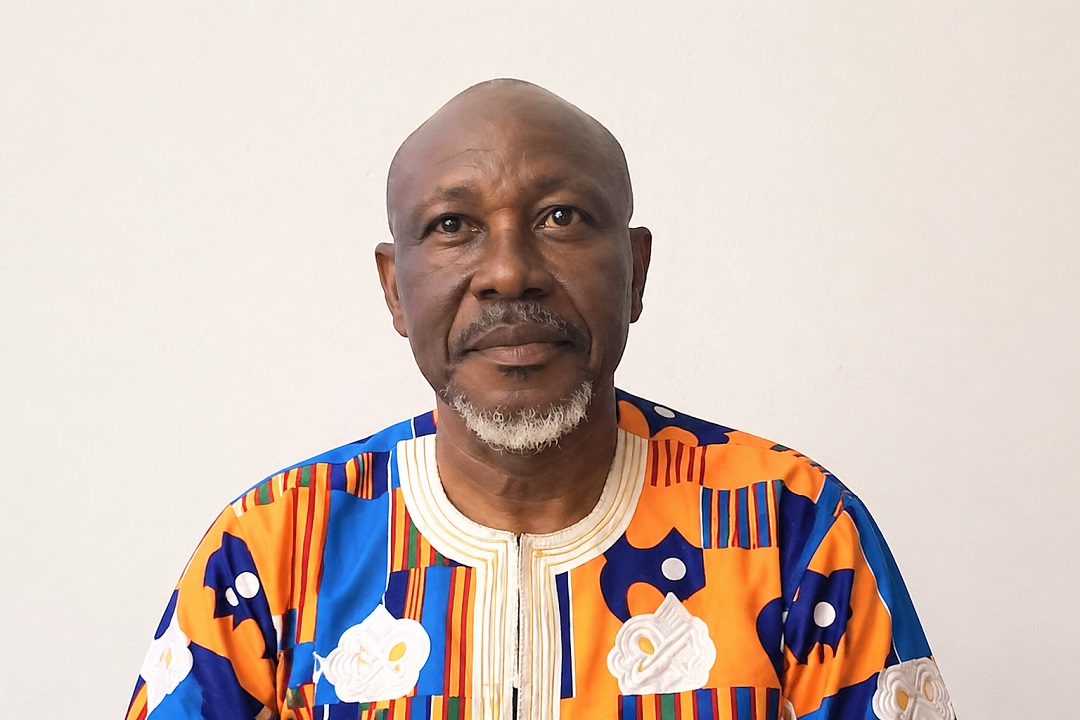
A University don and a Professor of Criminology and Artificial Intelligence at the Alex Ekwueme Federal University, Ndufu Alike Ikwo (AE-FUNAI), Ebonyi State, Professor Smart Egwu Otu has said that artificial intelligence will aid journalists jobs and will not take their jobs.
Prof Otu said that Artificial Intelligence (AI) can automate routine tasks like writing news articles, generating subtitles, or creating basic video content through the use of tools like ChatGPT create new content, from scripts to music and even entire video segments.
Speaking as a guest lecturer at the 2025 Eminent Persons’ Workshop of the Ebonyi State Association of Communication Scholars and Professionals of Nigeria (ACSPN) lecture series titled ” The Media, Security and Artificial Intelligence” held at AE-FUNAI, Prof. Otu said that AI can help artists overcome creative blocks, explore new sounds, or mimic existing voices.
He said that in advertising AI helps optimise ad delivery, targeting specific audiences with personalised ads and improving ad campaign performance while it can analyse large datasets to uncover trends and insights, informing editorial decisions and content strategies.
The erudite Professor with two Doctorate degrees explained that In fact-checking, AI can help fact-check news reports and cross-reference information against reliable sources, saying that in language translation AI-powered translation tools can make news content accessible to a global audience.
According to him, “AI is not just a buzzword; it’s a critical tool for aiding the media and securing our contemporary security through effective communication and news generation and dissemination systems. By embracing AI and addressing its challenges, we can build a more secure environment through speedy, accurate, and proactive gathering of intelligence and security-related data, as well as an effective media watchdog.
“The profession best placed to do this onerous task remains the media professionals journalists, news writers and broadcasters. AI is transforming the landscape of communication systems and general national security. By leveraging its power, we can gather more robust security information to help us build more resilient and secure communication networks that can withstand threats in the evolving digital age.
“As AI technology advances, we can expect to see even more innovative applications in this critical area. Today, AI plays a crucial role in our daily lives. Media were among the first to incorporate AI algorithms into their workflows since they consistently sought ways to enhance the quality, quantity, and speed of their publications.
“As AI technology advances, its role in the media industry and national security is likely to become even more prominent. AI-driven systems will likely be used to create more personalised and engaging experiences, streamline media operations, predict security risk, and launch counterterrorism operations, making both information generation, dissemination, and security operations more efficient and effective.
“The relationship between the media and security is multifaceted, often involving collaboration and tension. For one, security agencies rely on the media to inform the public about their role and maintain public support. In contrast, the media relies on security agencies for information to share with the public.
” However, differing institutional cultures, and the need for secrecy for several reasons, can create challenges, including the risk of over-reliance on official information provided by security and government agencies and the potential for manipulation of the information supplied to journalists.
“The ease of disseminating information through new media platforms can spread misinformation and propaganda, undermining security efforts. Security agencies may attempt to manipulate the information provided to the media, creating biased reporting or hindering investigative journalism.
“Not minding that the relationship between the media and security institutions is necessarily one of tension, the media and security sector are mutually dependent and must cooperate to educate the public and hold government accountable for security policy.
” So, it’s essential to address the ethical concerns and challenges arising from using AI in the media and security to ensure that it is used responsibly and ethically” Prof Otu stated.
In his remarks, the Ebonyi State Coordinator of the ACSPN and Head of Mass Communication Department AE-FUNAI Dr. Joseph Chukwu said that this year’s workshop held a special significance, as it marked our first workshop hosted at the esteemed
University.
He said that since its inception in 2014, ACSPN has been a beacon of knowledge, collaboration, and professional development for communication scholars, practitioners, and students across Nigeria.
“The Ebonyi State chapter, which was established in 2021, has continued this legacy, striving to foster an environment of learning and innovation in the communication field.
” Our annual workshops have become vital platforms for dialogue, knowledge sharing, and networking, and I am proud to say that we have successfully organized these events every year since our chapter’s formation.
” In an era where technology and communication intersect more profoundly than ever, it is imperative that we explore the implications of artificial intelligence on media practices and security measures. As communication professionals, we must equip ourselves with the knowledge and skills to navigate the complexities of these emerging challenges, ” Chukwu said.