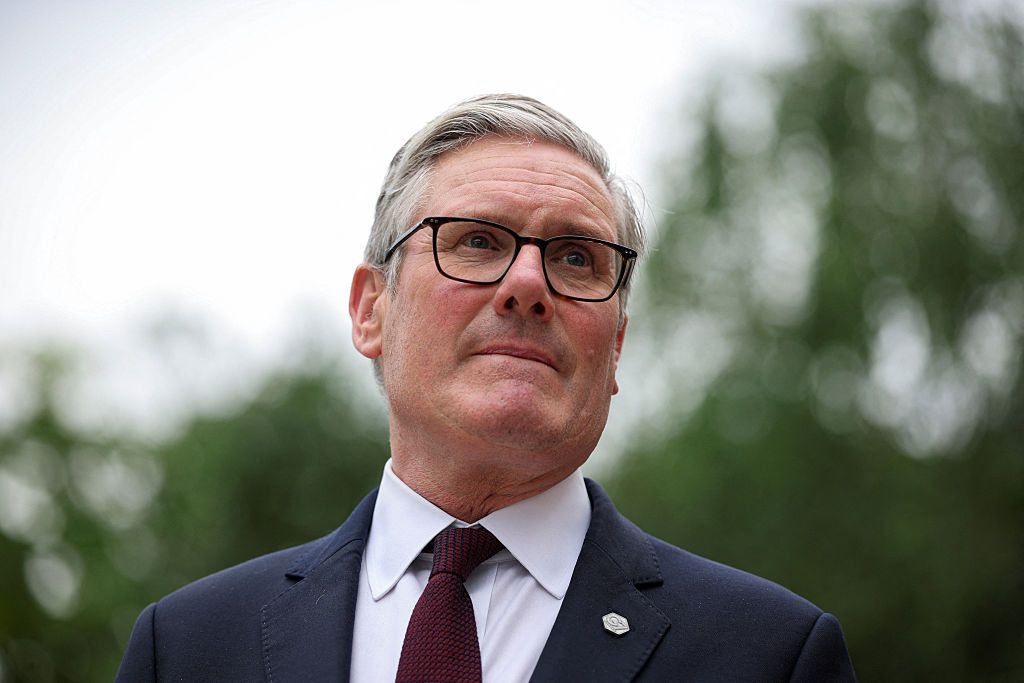
Pic: Keir Starmer
Keir Starmer has announced his resignation as British Prime Minister, less than two years after leading the Labour Party to a landslide election victory in 2024.
He said he would remain in office as caretaker prime minister until a successor is chosen.
Starmer’s resignation follows months of growing pressure from within his own party after Labour suffered heavy losses in local elections and experienced a sharp decline in public support. Critics accused his government of policy reversals, poor communication, and failing to deliver on key promises related to the economy and public services.
The crisis deepened after several high-profile resignations from his government, including Defence Secretary John Healey, who publicly criticized the government’s defence spending plans.
These departures intensified calls for a change in leadership.
In an emotional statement outside 10 Downing Street, Starmer said every decision he made was aimed at putting Britain first, but acknowledged that many in his party no longer believed he was the right person to lead Labour into the next general election.
Attention has now shifted to who will replace him. Andy Burnham is widely regarded as the frontrunner after recently returning to Parliament and receiving backing from key Labour figures.
The party is expected to begin the leadership selection process in July, with a new leader likely to take office before Parliament resumes in September.
Starmer’s departure means Britain is preparing for its seventh prime minister in a decade, highlighting a period of prolonged political instability that began after the 2016 Brexit referendum.
Tags: UK Politics, Keir Starmer, Labour Party, Britain, Andy Burnham, Resignation.