

Nnewi is widely regarded as a historic and industrious town known for its strong culture of entrepreneurship, innovation, and resilience.
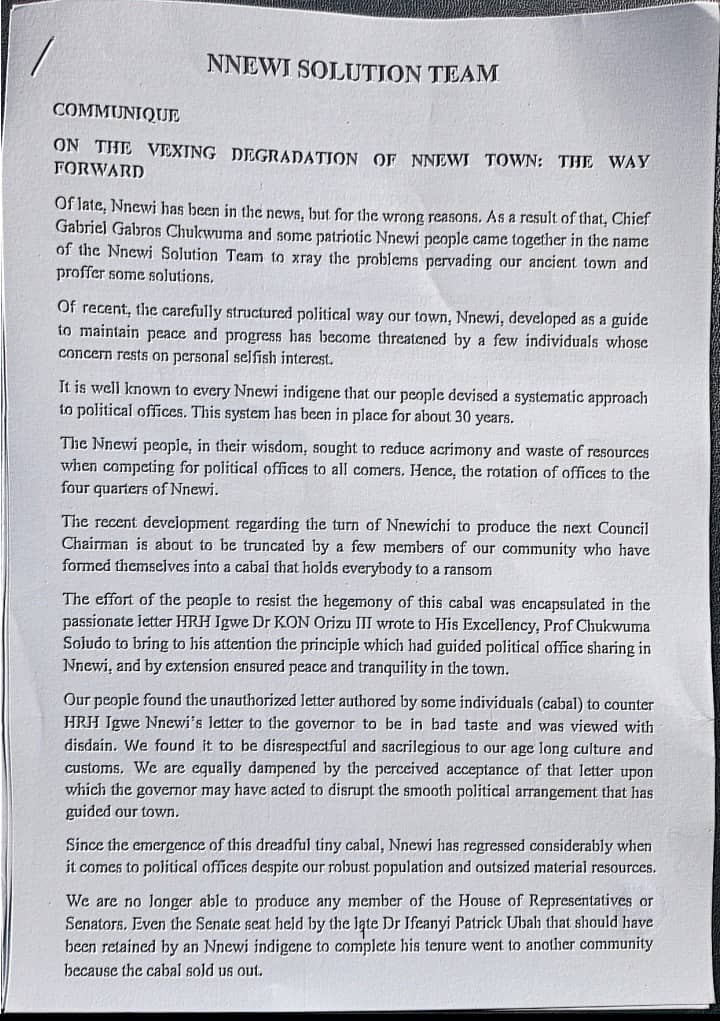
The people of Nnewi have built a reputation for excellence in commerce and industry, reflecting values deeply rooted in Igbo tradition, hard work, creativity, and bold enterprise.
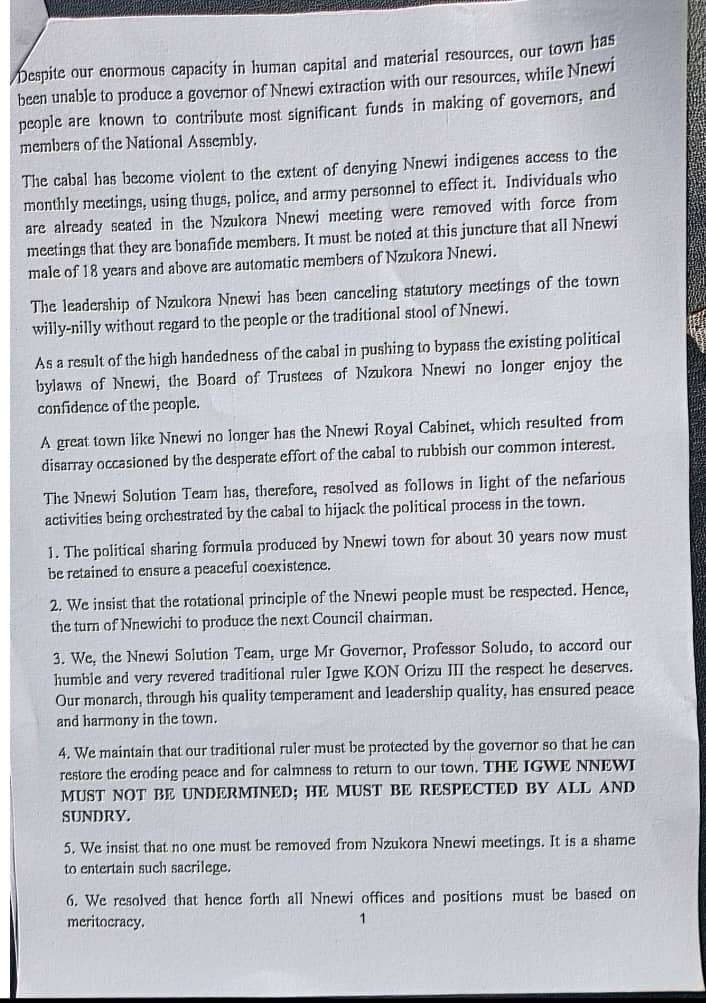
Over the years, the town has produced several prominent figures who have made significant contributions to Nigeria’s public and private sectors.
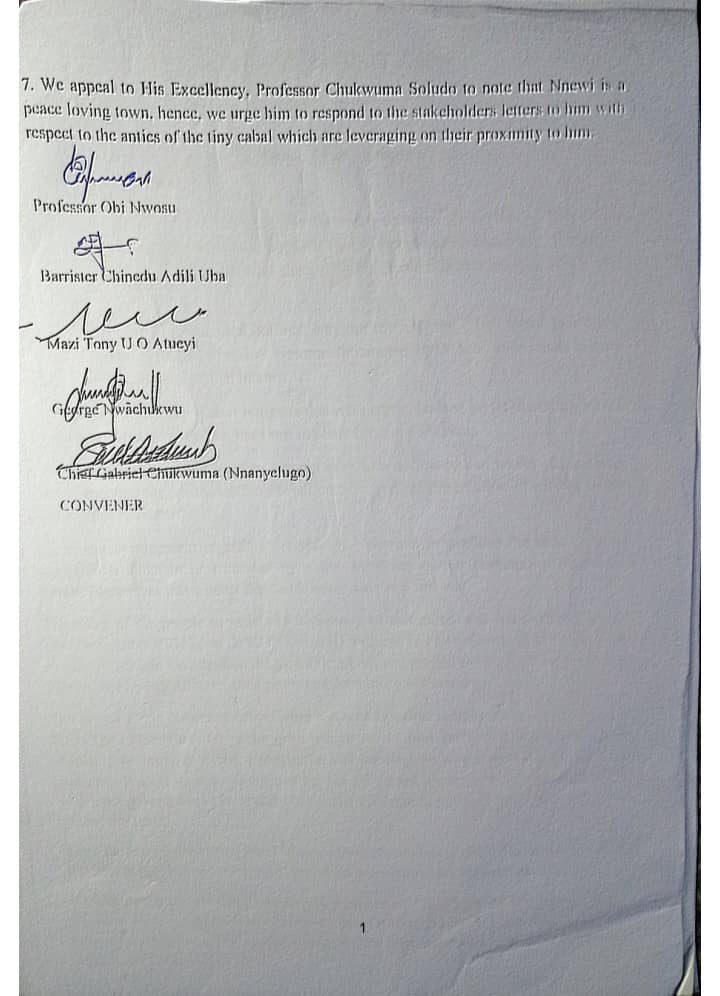
These include business pioneers like Louis Odumegwu Ojukwu and Chukwuemeka Odumegwu Ojukwu, as well as political leaders such as Nwafor Orizu.
The town is also home to major indigenous companies like Innoson Vehicle Manufacturing, Ibeto Group, and Coscharis Group.
In governance and public service, Nnewi has recorded notable milestones, including producing Nigeria’s first female Governor, Virgy Etiaba, and distinguished professionals across academia, law, and civil service.
The town’s traditional institution, led by Igwe Kenneth Onyeneke Orizu III, plays a central role in maintaining unity and resolving disputes peacefully. This leadership structure, supported by community stakeholders, has contributed to sustained social stability and economic growth.
Recently, a civic group known as the “Nnewi Solution Team” has called for fairness, transparency, and inclusiveness in local political processes, reflecting growing public interest in governance reforms.
Overall, Nnewi remains a model of enterprise-driven development, with a legacy of influential personalities and a strong commitment to progress.
The Nnewi Solution Team stands firmly with the traditional ruler of the community, His Royal Highness, Igwe Kenneth Orizu III and says no to any move, decision or policy that would bring disrespect to the traditional institution.
Tags:
Nnewi, Anambra State, Igbo economy, Nigerian entrepreneurs, Innoson Motors, Ibeto Group, Coscharis Group, Virgy Etiaba, Odumegwu Ojukwu, traditional leadership, Igbo culture, Nigerian business history, Southeast Nigeria, economic development, local governance