
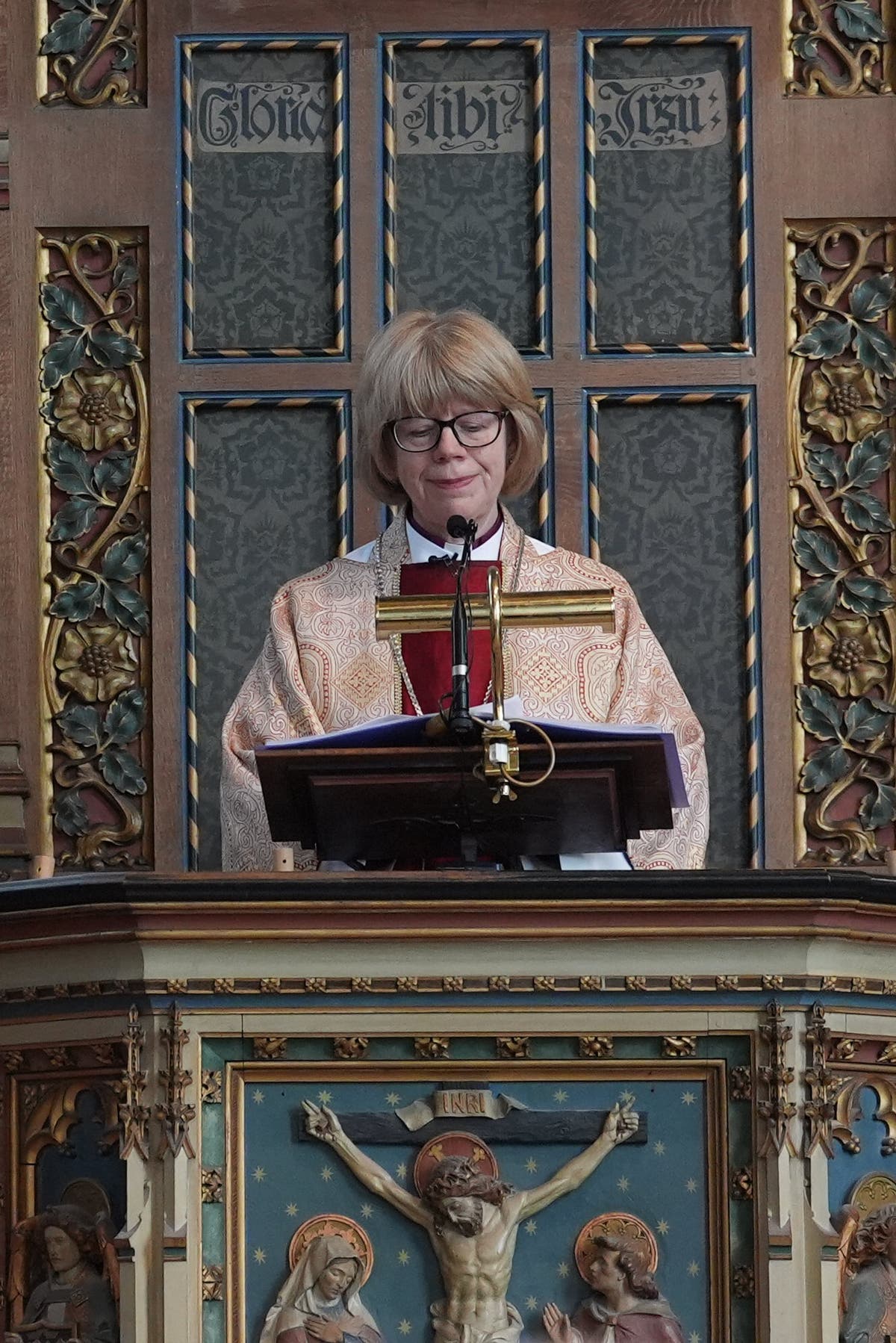
The Church of England has formally apologized for its role in the forced adoption of thousands of children born to unmarried women during the 20th century, acknowledging the deep trauma inflicted on mothers, children, fathers, and entire families.
Historic Apology for Thousands of Unwed Mothers
The apology, according to The New York Times, comes after decades of campaigning by survivors and advocacy groups seeking recognition of what many describe as one of Britain’s darkest social injustices.
Addressing the issue, church officials admitted that societal attitudes of the time stigmatized unmarried mothers and contributed to practices that separated families against their wishes.
“For many mothers, children, fathers and wider families affected by these practices, the impact has been lifelong,” a church representative said. “These practices are in the past and must never happen again.”
Mothers Speak Out About Lifelong Trauma
Among those welcoming the apology is Diana Defries, a leading campaigner with the Movement for an Adoption Apology.
Speaking on BBC Breakfast, Defries recounted how her daughter was taken from her shortly after she gave birth in 1974. At the time, she was made to believe she was responsible for the adoption.
Over the years, however, she came to understand that the separation was not her fault.
“I’ve begun to understand that it wasn’t me. I didn’t do this. This was done to me, this was done to my daughter,” she said.
Defries described the apology as long overdue, stressing that thousands of women endured similar experiences and have spent decades living with the emotional consequences.
“We’ve been waiting a very long time for an acknowledgment in public that this was an injustice,” she added.
Parliamentary Report Blamed the State
A 2022 report by the Joint Committee on Human Rights found that the British state bore ultimate responsibility for the suffering caused by public institutions and officials who pressured unmarried mothers into giving up their children.
The report concluded that many women were effectively railroaded into unwanted adoptions and called for greater support for affected families still living with the lifelong consequences of those decisions.
UK Government Set to Follow with Official Apology
The British government is also preparing its own formal apology, recognizing that many of the institutions involved operated under state oversight and regulation.
Education Secretary Bridget Phillipson told lawmakers that the government apology would come “very soon.”
“But here and now, let me say to all of those affected, you will get the apology that you so profoundly deserve,” she said.
A Widespread System Across Several Countries
The mother-and-baby homes were not unique to England and Wales. Similar institutions existed across Ireland, Australia, Canada and other countries, modeled after the Magdalene Hospitals established by Protestant churches in the 19th century.
Many of these homes continued operating well into the 20th century, often housing unmarried pregnant women who faced intense social stigma.
Ireland’s Reckoning with a Dark Past
Ireland has undergone its own painful reckoning over the treatment of women and children in mother-and-baby homes, many of which were later run by the Roman Catholic Church.
Investigations uncovered widespread abuse, neglect and forced adoptions within the institutions.
Global outrage intensified after the discovery of the remains of hundreds of babies and children buried in an unmarked mass grave at a former home run by nuns in Tuam, County Galway.
The revelations prompted investigations by both the Irish government and the Catholic Church, leading to compensation and support schemes for survivors and affected families.
A Long-Awaited Step Toward Justice
For survivors, the Church of England’s apology marks an important moment of recognition, though many argue that further action and support are needed to address the enduring emotional scars left by decades of forced family separations.
As governments and religious institutions continue to confront their historical roles, campaigners hope the acknowledgment will pave the way for healing, accountability and justice for thousands of families whose lives were forever changed.
Tags: Church Of England, Forced Adoption, Mother And Baby Homes, United Kingdom, Human Rights, Family Separation


