By David Onwuchekwa
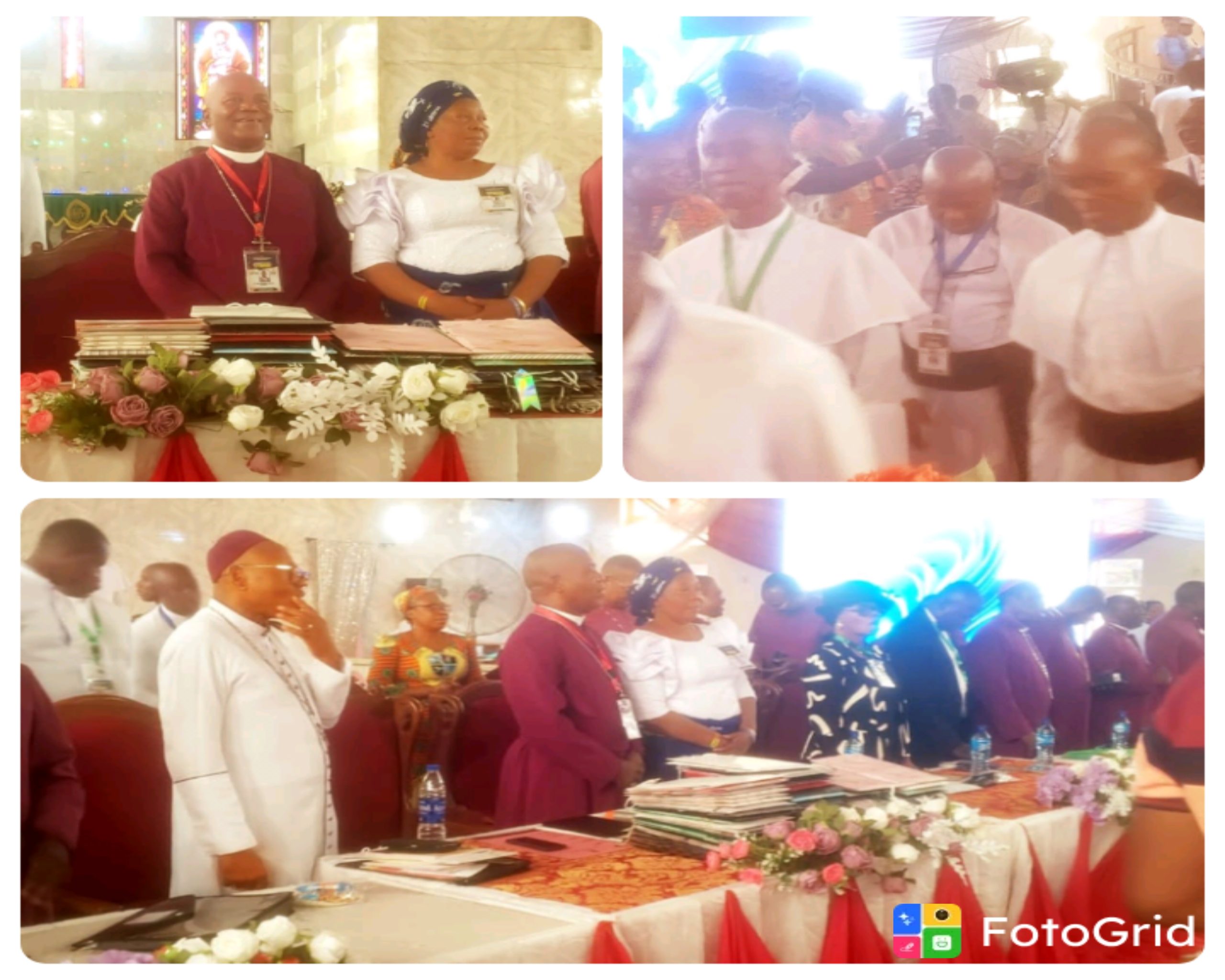
The curtain has fallen on the Third Session of the Sixth Synod of the Diocese of Amichi, but the echoes of its deliberations are expected to reverberate far beyond the walls of St. James Anglican Church, Azigbo, where clergy, laity, Bishops, and church leaders gathered to chart both the spiritual and societal course of the Church and the nation.
The event held under the theme, “Fight the Good Fight of Faith: An Imperative for All Christians, Now or Never,” was concluded on June 14, 2026. The Synod emerged not merely as an ecclesiastical gathering but as a powerful platform for moral reflection, national introspection, and a passionate call for transformational leadership in Nigeria.
A Church Confronting a Troubled Nation
At the heart of the Synod’s message was a deep concern over the state of Nigeria. In a strongly worded address, the Bishop of Amichi Diocese, RT Revd Ephraim Ikeakor painted a grim picture of a nation grappling with insecurity, economic hardship, corruption, and what he described as a failure of leadership at every level.
Drawing inspiration from veteran musician Sunny Okosun’s famous question, “Which Way Nigeria?”, the Bishop argued that the question remains as relevant today as it was over four decades ago.
According to him, the persistent killings, kidnappings, terrorism, and widespread insecurity across states including Benue, Plateau, Zamfara, Kaduna, Borno, Imo, Ebonyi, Enugu, Anambra, Ondo, and Oyo have left many Nigerians questioning whether government still exists in any meaningful sense.
Referencing Section 14(2)(b) of the Nigerian Constitution, which states that the security and welfare of citizens shall be the primary purpose of government, the Bishop maintained that any administration unable to guarantee these fundamental responsibilities risks losing its legitimacy in the eyes of the people.
He lamented what he described as the obsession of political leaders with the 2027 elections while ordinary Nigerians battle insecurity, poverty, unemployment, and uncertainty about the future.
A Nation on the Edge
The Synod’s assessment of Nigeria’s socio-economic realities was equally sobering.
Citing alarming poverty statistics, the Church noted that millions of Nigerians remain trapped in multidimensional poverty, lacking access to quality healthcare, education, and decent living conditions. Rising public debt, escalating inflation, and declining standards in critical sectors such as education, healthcare, infrastructure, and justice were identified as indicators of a nation in distress.
The Bishop argued that while other countries discuss poverty reduction, many Nigerians have been pushed beyond poverty into what he termed a “survival economy,” where daily existence has become the overriding concern for millions of households.
Against this backdrop, the Synod called on citizens, particularly young people, to embrace their civic responsibilities and use democratic processes to shape the nation’s future.
According to the Church, meaningful change can only occur when Nigerians insist that their votes count and reject ethnic, religious, and political manipulation.
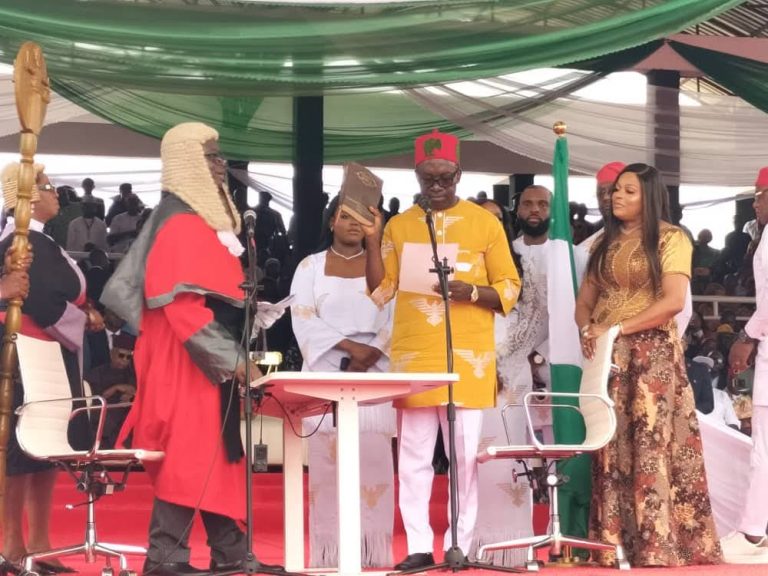
In a moment that reflects the confidence and trust reposed in their leadership by the people of Anambra State, heartfelt congratulations are extended to the Executive Governor of Anambra State, Charles Soludo, and his Deputy, Onyekachukwu Ibezim, on what the Bishop described as their resounding victory in the November 8, 2025 Governorship Election and their successful inauguration for a second term in office.
He said their re-election and inauguration signify a renewed mandate from the people and a strong endorsement of the administration’s vision, policies, and developmental strides over the past four years.
He noted that also presents another opportunity to consolidate on the gains already recorded and to deepen efforts aimed at building a more prosperous, inclusive, and progressive Anambra State.
As the administration embarks on its second tenure, the Church says there is optimism that it will usher in even more grassroots-oriented, people-centred, sustainable, and transformative projects and policies that will further accelerate socio-economic growth, enhance infrastructure, create opportunities for the youth, and improve the overall well-being of Ndi Anambra.
The Church said it is its earnest prayer that God Almighty will continue to endow Governor Soludo and Deputy Governor Ibezim with wisdom, strength, sound health, and divine guidance as they shoulder the responsibilities of leadership and continue their service to the people.
The Synod congratulated both leaders with best wishes for a successful, impactful, and memorable second term in office.
Faith, Courage and Responsibility
Despite its critical assessment of national and state affairs, the Synod remained anchored on its central theme of faith and Christian responsibility.
Participants were reminded that Christians are called not only to spiritual devotion but also to active engagement in the pursuit of justice, truth, accountability, and societal transformation.
The gathering emphasized that silence in the face of injustice and social decay is no longer an option, urging believers to become voices of hope and agents of positive change within their communities and the nation at large.
Celebrating Kingdom Builders
Beyond national issues, the Synod also became a moment of gratitude and celebration for individuals, families, and organizations whose contributions continue to advance the mission of the Diocese.
Special commendation was accorded to the Local Organizing Committee that successfully hosted the Church of Nigeria Standing Committee Meeting earlier in February 2026. The committee, led by Sir Engr. Igweka Uche, received praise for its exemplary planning and execution.
The Diocese also acknowledged the immense contributions of prominent church supporters including Chief Dr. Chidi Anyaegbu of Chisco Group, High Chief Sir S.N. Ukachukwu, Hon. Elias Ukachukwu, Dr. Samson Obichi, Mr Chukwudi Odika, Sir Amobi Ogum, Mr Izundu Madueme, and many others who have consistently invested resources toward the growth of the Church.
Particular recognition was given to Sir and Lady Ebere Umeojiaku for donating a Toyota Sienna vehicle to St. Philip’s Church, Eziama, Amichi.
The Diocese further celebrated the generosity of Sir Engr. Igweka Uche and Dr. Samson Obichi, whose support helped fund the first two instalments toward the purchase of twenty plots of land within the Diocesan Hospital premises, a strategic expansion project valued at ₦200 million.
While expressing gratitude for the progress made, the Diocese appealed for further support as additional instalment payments remain outstanding.
Investing in Healthcare and Education
The Synod highlighted significant strides being made within the Diocese’s healthcare and educational institutions.
The contributions of SECHUWARIS Foundation to the Diocesan Hospital were applauded, while Prof. Osita Umeononihu received commendation for his leadership as Chairman of both the College of Nursing Sciences Governing Council and the Hospital Management Board.
Similarly, Ven. Godson Ugochukwu was praised for his effective administration of the Diocesan Hospital and his commitment to improving healthcare delivery within the Diocese.
Legacy of Generosity
One of the most notable moments of appreciation was reserved for the family of Late Sir Gaius and Dame Dr. Chioma Onwuasoigwe, whose donation of a multi-million-naira Skill Acquisition Institute, including land and a two-storey building, to the Diocese was described as a remarkable act of faith and generosity.
The Diocese also acknowledged the Uzuegbu family for undertaking the construction of a vicarage at St. Bartholomew’s Church, Amichi, and Sir and Lady Osita Onyenwe for donating a modern pipe organ now serving St. James Anglican Church, Azigbo.
Bro. J.O.J. Ibeh was equally recognized for donating a large parcel of land to support the Diocese’s expansion efforts.
Honouring Unsung Heroes
The Synod paid tribute to clergy and their spouses for their unwavering dedication to ministry and service.
Special appreciation was extended to the Diocesan President of Mothers’ Union, Women’s Guild, and Girls’ Guild, Dame Nkem Ikeakor, whose support and leadership were described as instrumental to the success of several diocesan projects, including the hosting of the Standing Committee Meeting and the development of the New Episcopal House.
Dr. Mrs. Amaka Ibekinwa, the Bishop’s Special Adviser on ICT, also received commendation for what was described as invaluable professional and financial support to the Diocese.
A Synod of Reflection and Resolve
As delegates departed Azigbo at the conclusion of the Synod, one message stood above all others: faith must inspire action.
For the Diocese of Amichi, the Christian mandate extends beyond the sanctuary into the realities of governance, social justice, community development, healthcare, education, and nation-building.
The Synod may have ended, but its challenge remains clear: Nigerians must fight the good fight, not only for their faith but also for the future of their nation.
And in the words echoed throughout the gathering, the time for action is “now or never.”
Archbishop Godwin Okpara, Archbishop Alexander Ibezim, among other numerous Archbishops and Bishops were there.