By Chinedum Treasure
The North American Association for Environmental Education (NAAEE) and the Green Environment and Climate Change Initiative (GRENCHI) have tasked young Nigerians with safeguarding biodiversity and embracing clean energy solutions, as they hosted a hands-on climate education bootcamp at Nnamdi Azikiwe University (UNIZIK), Awka.
The three-day Climate Bootcamp brought together secondary school students from environmental clubs across Anambra State for practical training in biodiversity conservation, renewable energy, citizen science and climate action.
The E-STEM training attracted students aged between 11 and 20 and was funded by NAAEE in partnership with Pratt & Whitney and implemented with support from local partners including Green Age Technologies, UNIZIK’s Departments of Crop Science and Horticulture, and Forestry and Wildlife, the Sahelian Institute of Bamboo Research and Entrepreneurship Development (SIBRED), and the National Environmental Standards and Regulations Enforcement Agency (NESREA).
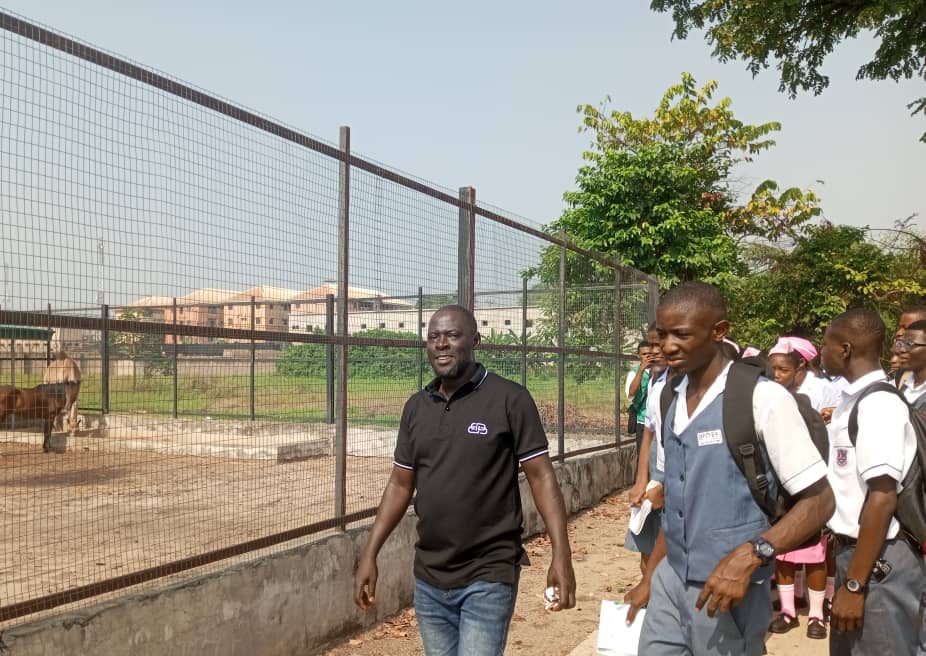
Speaking during a guided biodiversity session at the UNIZIK Zoological Garden, the Deputy Director of the facility, Mohammed Adeyemi, urged participants to adopt a broader understanding of biodiversity beyond plants alone.
Adeyemi said, “Biodiversity must be viewed holistically. Some people think it is only about plants, but there is a strong relationship between plants and animals. Without plants, there will be no animals.”
He explained that biodiversity is sustained through the interaction between flora and fauna, noting that the survival of animals depends directly on healthy plant ecosystems.
According to him, recognising this interdependence is fundamental to effective conservation.
Adeyemi described conservation as a duty to future generations, stressing that sustainability must guide how natural resources are managed.
“Anything you cannot maintain, you cannot sustain. That is why we must conserve both plants and animals that make up biodiversity,” he said.
The wildlife biologist also introduced students to in-situ and ex-situ conservation methods, explaining that while protecting species in their natural habitats remains ideal, captive breeding in zoos and rehabilitation centres has become necessary due to declining wildlife populations.
He further emphasised the importance of understanding species’ conservation status, urging participants to consult the IUCN Red List and CITES to identify endangered and protected species.
“Extinction affects plants as much as animals. If care is not taken, some of the species we see today may disappear within our lifetime,” he warned.
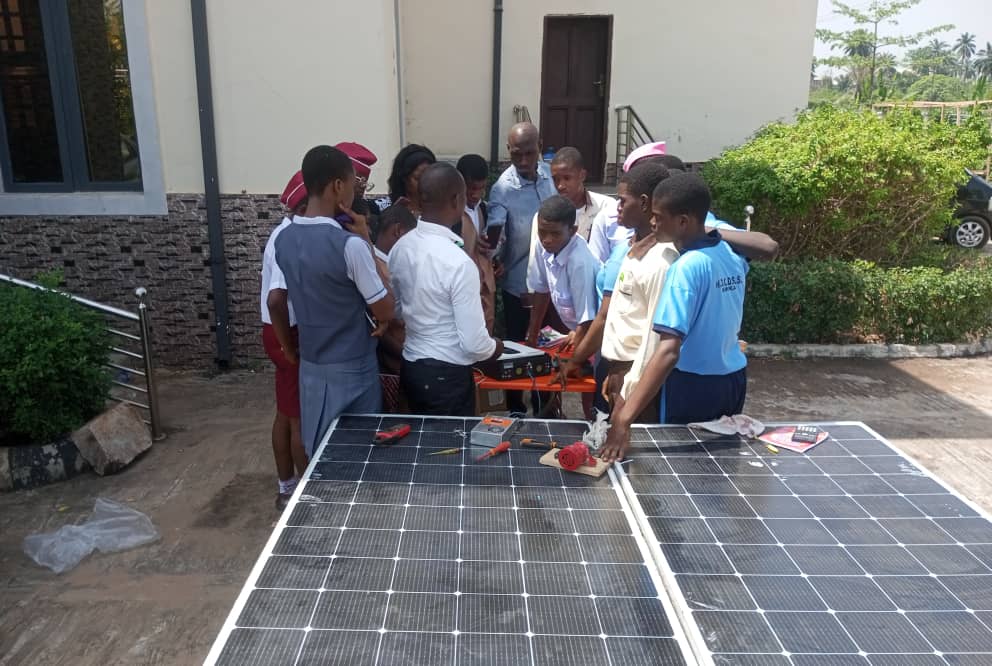
Beyond biodiversity, the Climate Bootcamp exposed students to practical climate solutions including solar energy installation, air and water quality monitoring, biodiversity mapping, basic data analysis and water conservation in agriculture.
Participants were trained as citizen scientists and introduced to green skills designed to prepare them for emerging climate-related careers.
On the renewable energy component, solar energy facilitator Precious Eze encouraged youths to see clean energy as both an environmental solution and an economic opportunity.
“Unemployment is affecting both youths and adults in this country. Training young people in solar installation gives them a skill they can start using immediately, even from home,” Eze said.
He linked the adoption of solar energy to climate change mitigation, noting that deforestation for firewood and emissions from generators and vehicles contribute significantly to environmental degradation.
“We want electricity without smoke. Solar energy allows us to convert sunlight into clean power. If possible, the country should completely move away from generators,” he added.
Participants, particularly those visiting the zoological garden for the first time including Mmesoma Udeonu, expressed excitement over the exposure.
They described the bootcamp as an eye-opening experience that strengthened their understanding of climate change, conservation and future green career pathways.