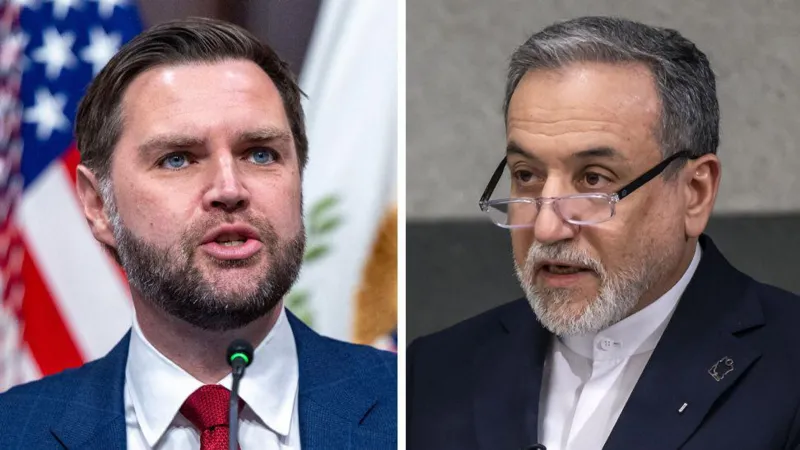
US Vice President JD Vance is to lead the US team during the talks, while reports suggest Iranian Foreign Minister Abbas Araghchi will co-lead Iran’s delegation
By Ojukwu Chukwu
Fresh diplomatic efforts between the United States and Iran are set to begin in Islamabad, with JD Vance leading the American delegation and Abbas Araghchi representing Iran. While both sides have expressed cautious optimism, several critical issues threaten to derail the negotiations before meaningful progress can be made.
- Lebanon Tensions
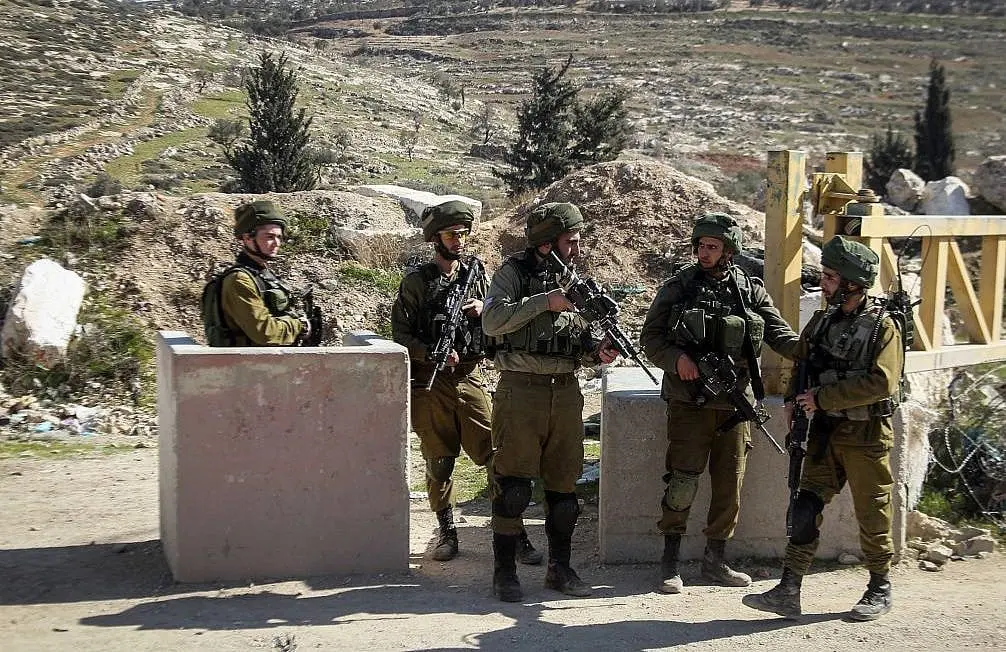
The ongoing conflict involving Hezbollah remains a major obstacle. Iran has warned that continued military actions by Benjamin Netanyahu’s government could render the talks meaningless.
Iranian President Masoud Pezeshkian has reiterated Tehran’s commitment to its Lebanese allies, signaling that regional tensions could overshadow diplomatic engagement. Although former U.S. President Donald Trump suggested Israel might scale down operations, uncertainty remains high. - Strait of Hormuz Dispute
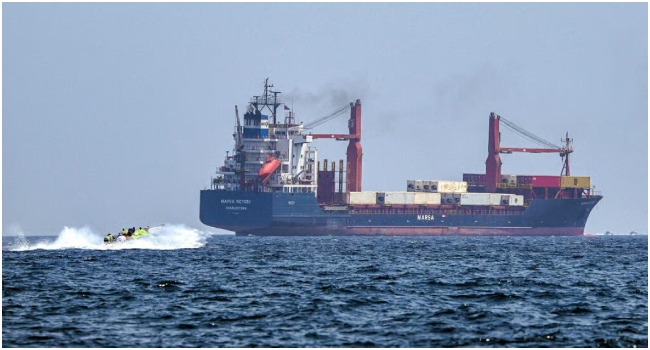
Control of the Strait of Hormuz is another flashpoint. Iran has tightened its grip on the vital oil route, drastically reducing ship traffic and proposing new transit regulations.
The U.S. has accused Iran of violating informal understandings, with Trump warning against imposing tolls on vessels. Reports indicate that hundreds of ships and thousands of seafarers remain stranded, raising global economic concerns. - Nuclear Programme
The dispute over Iran’s nuclear ambitions remains the most complex issue. The U.S. insists Iran must never acquire nuclear weapons, while Iran maintains its right to enrich uranium under international agreements.
The 2015 Joint Comprehensive Plan of Action previously addressed these concerns, but both sides now appear divided on whether a new framework should allow uranium enrichment at all. - Iran’s Regional Allies
Iran’s network of allies—including Hezbollah, regional militias, and other groups—continues to shape negotiations. Tehran views this network as essential for its “forward defence,” while Israel considers it a direct threat.
Despite economic strain at home, Iran has shown little willingness to scale back its regional influence, complicating efforts to reach a compromise. - Sanctions Relief
Economic sanctions remain a central demand for Iran. Officials, including parliamentary speaker Mohammad Bagher Qalibaf, have called for the release of an estimated $120 billion in frozen assets as a precondition for talks.
However, the U.S. appears reluctant to offer such major concessions upfront, making this one of the toughest hurdles in the.
While Islamabad provides a neutral ground for dialogue, deep-rooted disagreements on security, economics, and regional influence present formidable challenges. Whether both sides can move beyond these sticking points will determine the success or failure of the talks.