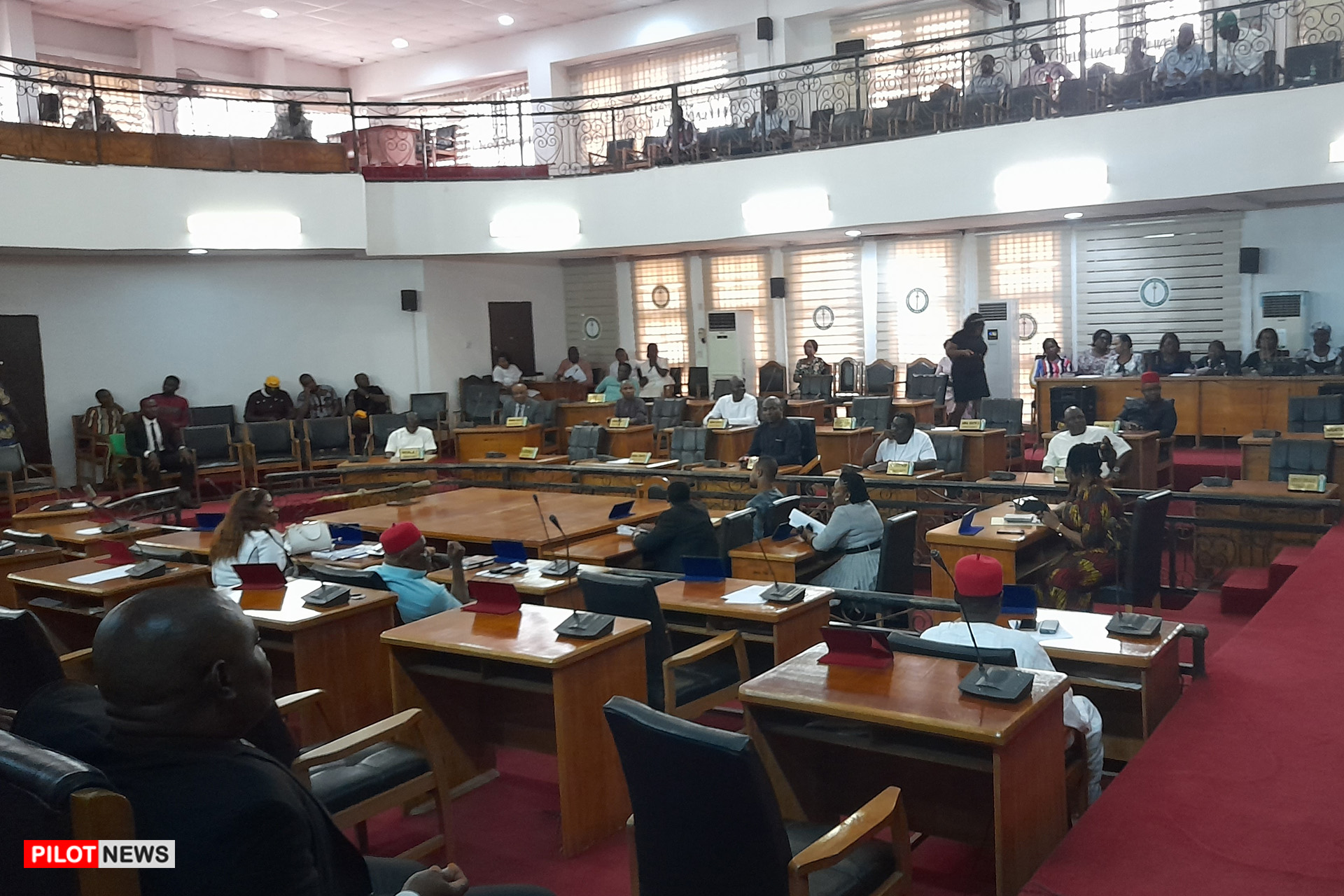
Anambra State House of Assembly
By David Onwuchekwa, Nnewi
The decision by the Anambra State House of Assembly to step into the worsening housing crisis is not only timely but also reflective of responsive governance.
Across major towns like Awka, Onitsha, and Nnewi, the cost of renting accommodation has climbed to alarming levels in recent years, far outpacing income growth. For many civil servants, traders, artisans, and young families, rent has become an overwhelming burden, often consuming a disproportionate share of their earnings.
In some cases, tenants are compelled to relocate farther from their workplaces or settle for substandard housing, all in a desperate bid to cope.
This reality underscores the urgency of legislative intervention. Housing is not a luxury but a basic necessity, and when access to it becomes exploitative, government has a duty to act.
The Assembly’s move, therefore, represents a crucial step toward correcting a market imbalance that has long favored landlords at the expense of tenants. It is a recognition that the free market, left entirely unchecked, can produce outcomes that undermine social stability and economic well-being.
However, beyond the symbolic importance of this move lies the real challenge: crafting a law that is both fair and enforceable. Rent control policies must strike a delicate balance. While tenants need protection from arbitrary and excessive increases, landlords must also be assured of reasonable returns on their investments. If poorly designed, such regulations could discourage property development, reduce housing supply, or push rental transactions into informal and unregulated channels.
This makes stakeholder engagement, bringing together tenant associations, landlord groups, legal experts, and urban planners, an essential part of the legislative process.
Another critical concern is the potential influence of powerful interests. The fear that well-connected landlords or property developers might attempt to water down the provisions of the law is not unfounded.
This is where political will becomes paramount. The Assembly must demonstrate independence and commitment to the broader public good, resisting any pressure that seeks to compromise the intent of the legislation.
Transparency in the lawmaking process will also help build public trust and discourage undue interference.
Equally vital is the issue of implementation. Nigeria has no shortage of well-intentioned laws that falter at the enforcement stage. For this initiative to succeed, the State government must establish clear and accessible mechanisms for monitoring compliance.
This could include the creation of a rent control board or housing regulatory agency empowered to set benchmarks, handle complaints, and mediate disputes.
Tenants must have a simple, affordable, and safe avenue to seek redress without fear of retaliation from landlords.
Public awareness will also play a decisive role. Many tenants are unaware of their rights, and even when protections exist, ignorance often leaves them vulnerable. A robust sensitization campaign, through media, community meetings, and civil society organizations, can ensure that both tenants and landlords understand the new legal framework and their respective obligations.
Furthermore, this intervention should not be seen in isolation. It must form part of a broader housing policy that addresses the root causes of high rents. The State government should consider incentivizing affordable housing development, supporting mortgage accessibility, and improving urban planning to reduce pressure on high-demand areas.
Expanding infrastructure to emerging communities can also help decongest city centers and create more balanced housing demand.
Ultimately, the Assembly’s initiative offers a glimmer of hope for thousands of residents who have long endured the strain of rising rents.
If pursued with sincerity, courage, and strategic foresight, it could usher in a more equitable housing system in Anambra State.
More importantly, it could serve as a model for other states facing similar challenges, proving that thoughtful legislation, backed by strong enforcement, can make a tangible difference in the lives of ordinary citizens.
David Onwuchekwa is a Journalist and Media Consultant based in Nnewi, Anambra State.